
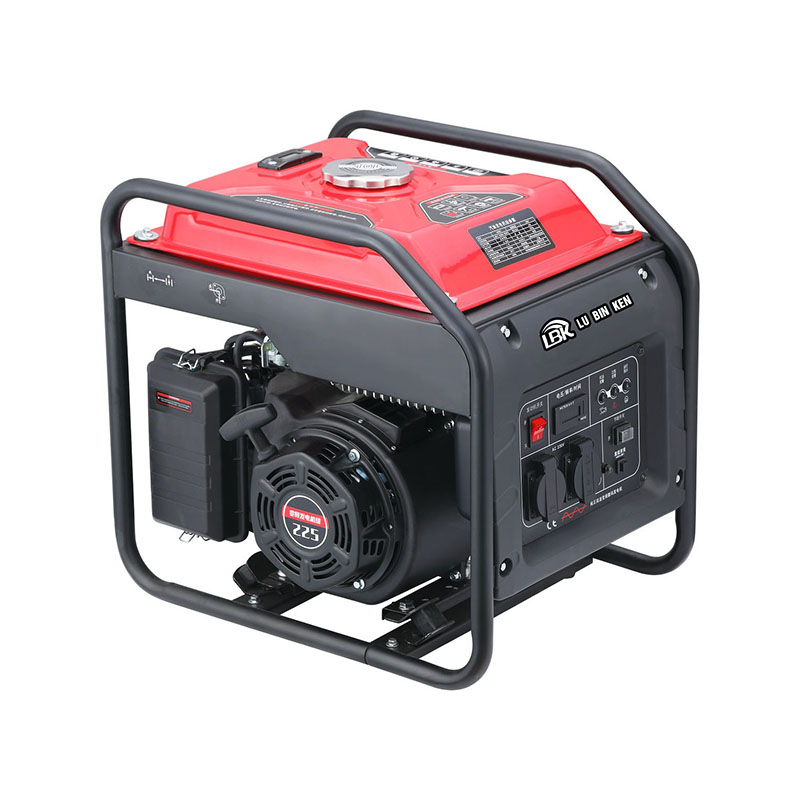
An electric start inverter gasoline generator is bought for convenience: push a button instead of pulling a rope, and the inverter delivers clean power for sensitive electronics. The generator arrives with a responsive starter and stable output. After months of use, the same generator cranks strongly but refuses to start. The battery is charged. The starter motor spins. But the engine does not fire. The electric start inverter gasoline generator that cannot convert cranking into running becomes a heavy paperweight while the inverter and alternator remain fully functional. The starting system fails before the power generation does.
The starter motor turns the flywheel. The flywheel spins the crankshaft. The engine needs three things to fire: fuel, spark, and compression. An electric start inverter gasoline generator that cranks but doesn't start has lost at least one of them. The starter motor works. The battery delivers current. But the engine stays cold and silent. Operators assume the starter failed because it makes noise. The starter is fine. The engine isn't receiving what it needs to run.
Three systems must function together for the engine to start:
An electric start inverter gasoline generator manufacturer that designs accessible service points for all three systems makes troubleshooting simple. One that buries the carburetor and spark plug behind layers of shrouding makes diagnosis difficult, and operators assume the starter is the problem.
The inverter module converts AC to clean power. It also draws a small current from the battery even when the generator is off. An electric start inverter gasoline generator with a battery that sits unused for weeks drains below the voltage needed for starting. The starter motor turns slowly. The engine cranks but doesn't fire. The operator charges the battery. The generator starts. The battery, not the starter, caused the failure.
Owners who disconnect the battery during storage preserve starting power. Those who leave it connected find a dead battery and a generator that won't start.
An electric start inverter gasoline generator user who performs these three checks isolates the starting problem. One who replaces the starter motor first wastes time and money on a component that still works.
The start switch sends the signal to the starter relay. An electric start inverter gasoline generator with a worn or corroded start switch fails to send the signal. The starter doesn't spin. The generator won't start. The operator assumes the starter motor died. The starter motor never received power. A start switch that costs less than the shipping of a new starter motor controls the entire starting sequence.
The electric start inverter gasoline generator sells on the push-button start. When the button fails to start the engine, the convenience becomes frustration. The battery might be low. The fuel might be stale. The spark plug might be fouled. The starter motor might be fine. The generator that won't start still has a perfectly functional inverter and alternator. The power generation system waits for the engine to run. The engine waits for fuel, spark, and compression. The starting system is the gateway to all of it, and when the gateway fails, everything else waits.



 No. 532 Xin Street, Xinqiao Town, Luqiao District, Taizhou City, Zhejiang Province
 [email protected]
 +86-13656559509
Copyright © Taizhou Lubin Electromechanical Co., Ltd. All Rights Reserved.



 EN
EN English
 русский
 عربى
عربى