
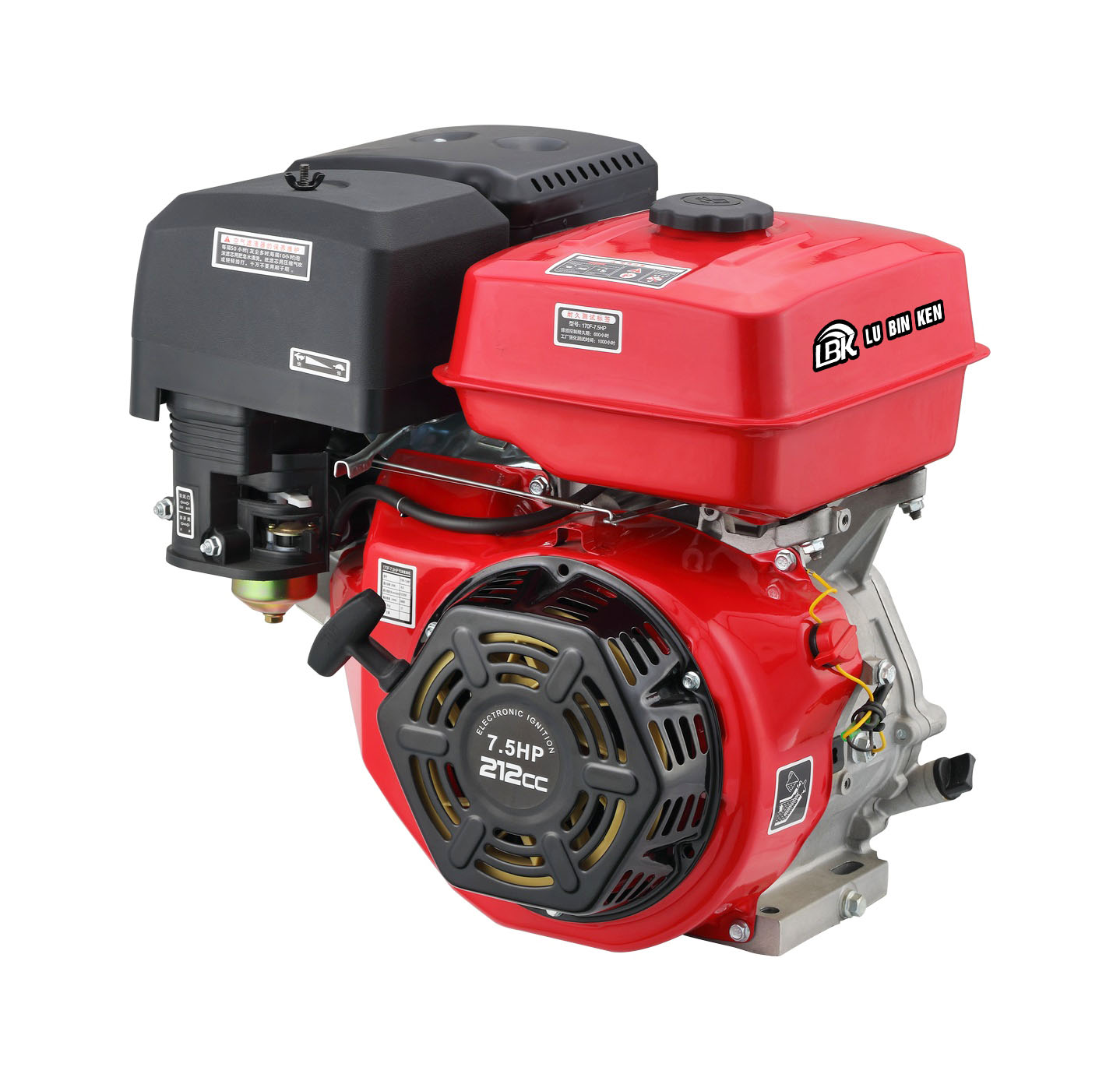
A forced air-cooled gasoline power engine is bought for one reason: it runs without a liquid cooling system, making it lighter and simpler for lawnmowers, pressure washers, and portable generators. The engine arrives with clean cylinder fins and smooth operation. After hours of heavy use, the same engine loses power and knocks. The fuel still flows. The spark still fires. But the cylinder head has overheated because the cooling fins are clogged or damaged. The forced air-cooled gasoline power engine that cannot shed heat through its fins fails mechanically while the internal components remain capable of running for years. The cooling system fails before the piston rings wear.
The engine pulls air over the cylinder fins to remove heat. A forced air-cooled gasoline power engine with grass clippings, dust, or debris packed between the fins loses its cooling capacity. The cylinder temperature rises. The oil thins. The piston expands. The engine knocks. The operator hears the knock and assumes the bearings are failing. The bearings are fine. The fins need cleaning. A forced air-cooled gasoline power engine that runs in dirty conditions requires regular fin cleaning to maintain cooling performance.
Three factors determine how well the fins shed heat over the engine's life:
A forced air-cooled gasoline power engine manufacturer that designs open fin spacing, effective shrouds, and clean air intakes ships engines that stay cool through heavy use. One that prioritises compact size over airflow ships engines that overheat and fail.
The fins are thin. They bend easily during handling or maintenance. A forced air-cooled gasoline power engine with bent or broken fins has less surface area to release heat. The engine runs hotter. The hotter engine wears faster. Operators who straighten bent fins carefully restore cooling capacity. Those who ignore bent fins accept the higher operating temperature. The engine that runs hot for hundreds of hours fails long before a properly cooled engine would need service.
The shroud directs air over the fins. A forced air-cooled gasoline power engine with gaps between the shroud and the cylinder block loses cooling airflow. Air escapes through the gaps instead of passing between the fins. The cylinder runs hot. The engine knocks. The operator assumes the fuel mixture is wrong. The fuel mixture is correct. The shroud needs sealing.
A forced air-cooled gasoline power engine user who watches for these three signs checks the cooling fins before replacing parts. One who ignores them replaces carburetors and spark plugs while the fins stay packed with debris, and the overheating continues.
The fins change color when exposed to sustained high temperatures. A forced air-cooled gasoline power engine with blue or brown discoloration on the cylinder fins has run hot repeatedly. The discoloration is not cosmetic. It is evidence of overheating that shortened the engine's life. Operators who see heat discoloration know the engine needs cooling system attention before further use. Those who ignore it run the engine until it seizes.
The forced air-cooled gasoline power engine depends on its fins to stay within operating temperature. When the fins clog, bend, or lose airflow, the engine overheats. The overheating damages pistons, rings, and bearings. The operator replaces the engine. The internal components were destroyed by heat that the cooling system could not remove. The fins that should have shed the heat stayed clogged with debris or damaged from handling. The forced air-cooled gasoline power engine that fails from overheating did not fail because the fuel ran out or the spark stopped. It failed because the air stopped moving over the fins, and the heat stayed where it did the most damage.



 No. 532 Xin Street, Xinqiao Town, Luqiao District, Taizhou City, Zhejiang Province
 [email protected]
 +86-13656559509
Copyright © Taizhou Lubin Electromechanical Co., Ltd. All Rights Reserved.



 EN
EN English
 русский
 عربى
عربى