
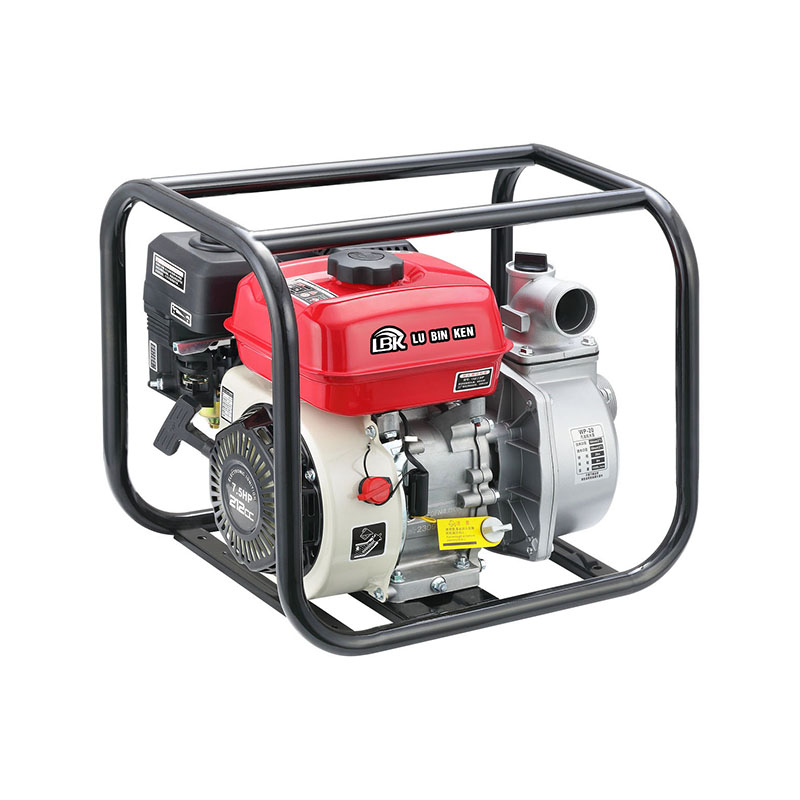
Clean water from a storage tank. Muddy water from a construction trench. Chemical spray for a fruit orchard. A pump designed for only one of these sits idle for the rest of the year. A gasoline engine multi-purpose water pump handles all three by matching the pump end to the engine and letting the operator switch hoses and strainers as the job changes. The engine runs on gas, starts with a pull cord, and moves wherever the truck can haul it. For small farms, rental fleets, and rural property owners, the multi-purpose pump replaces a shed full of single-job machines. Here is what buyers need to know.
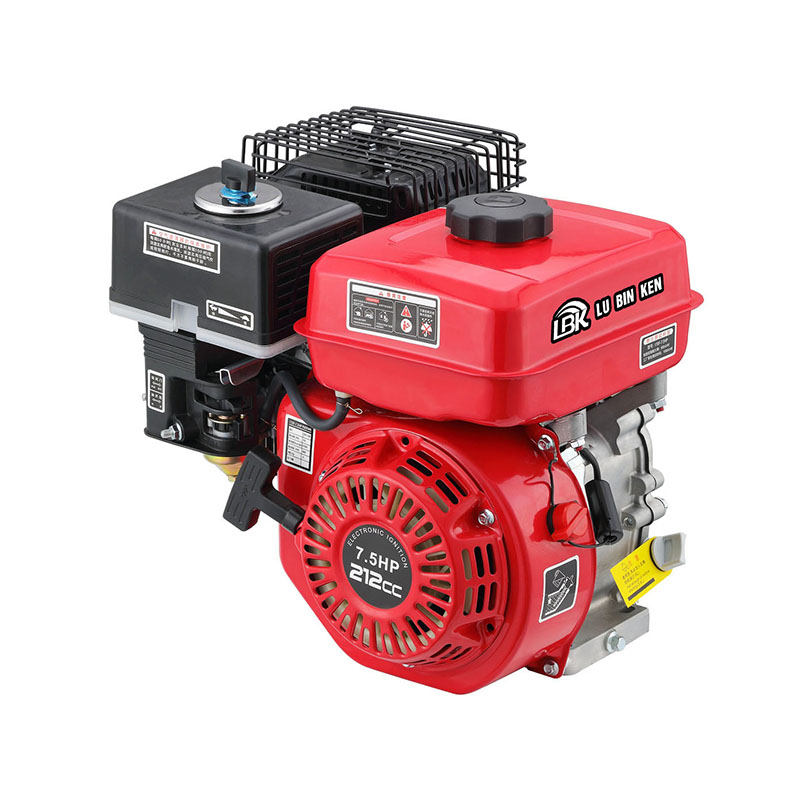
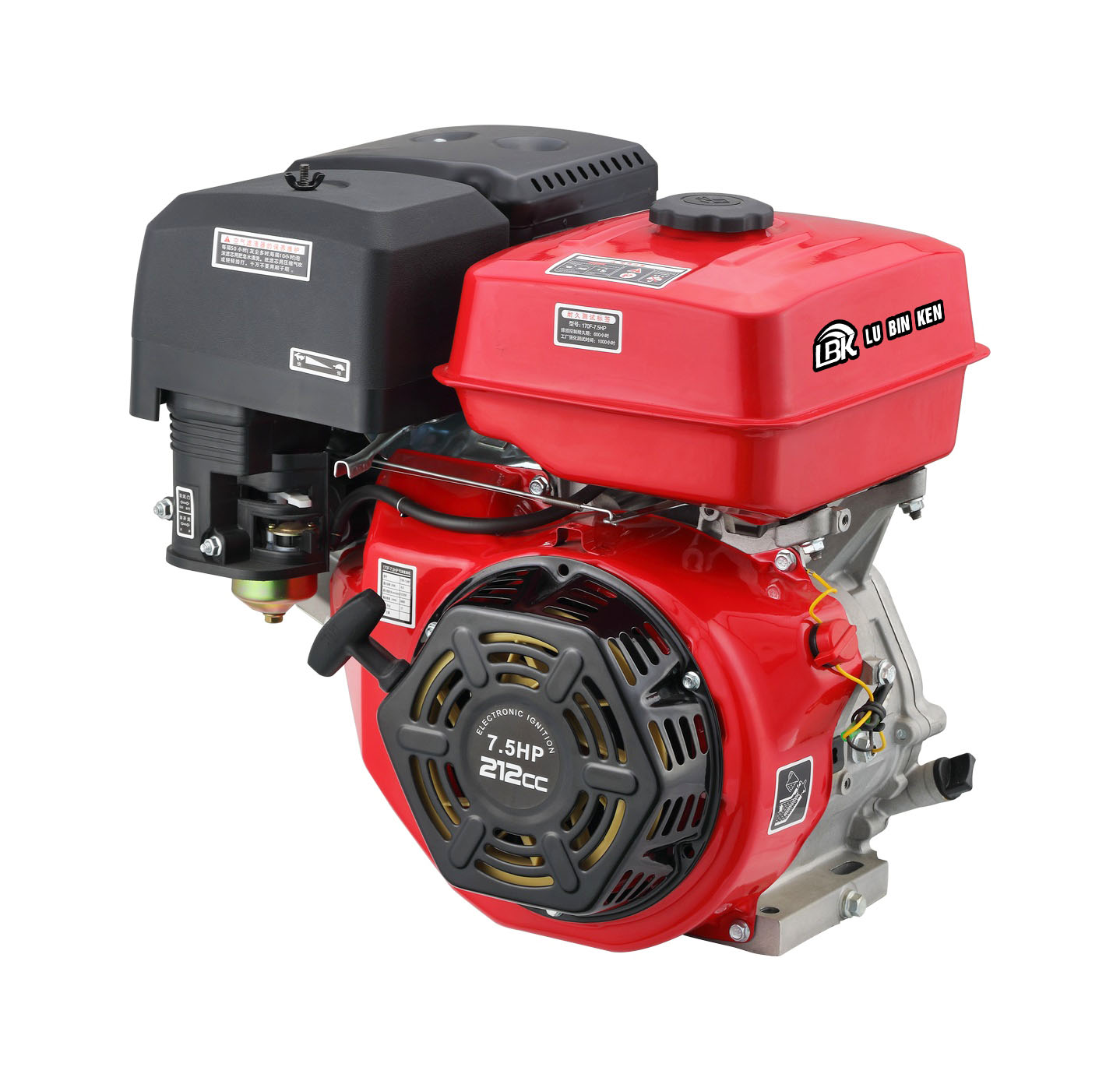
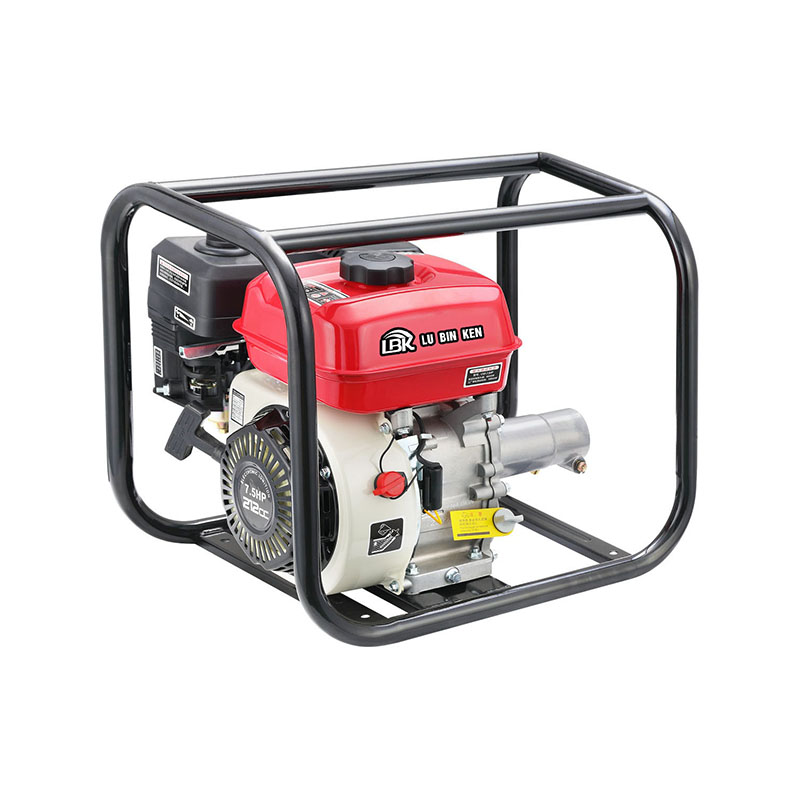
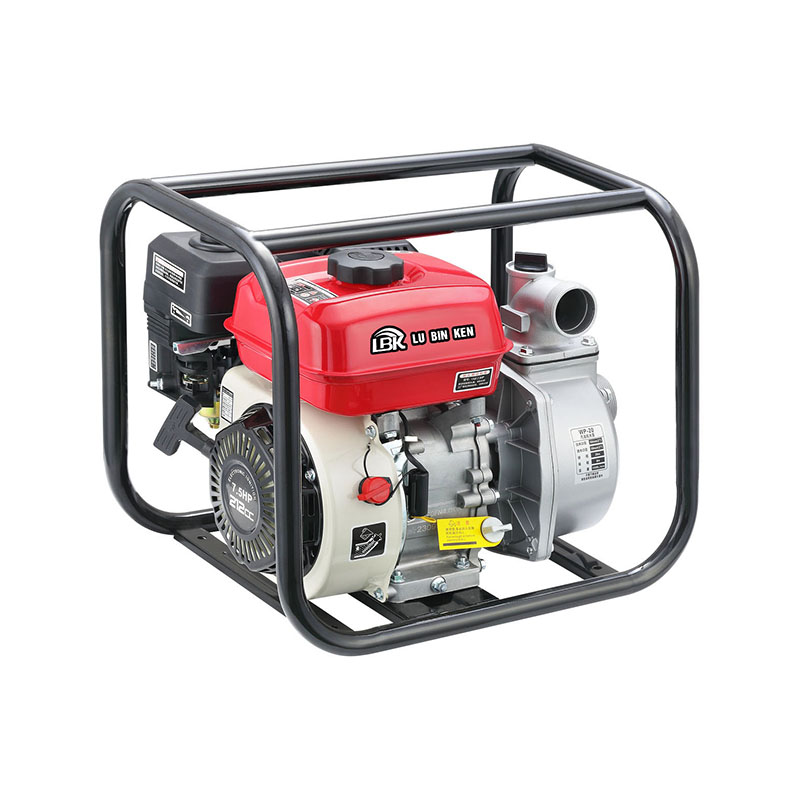
A gasoline engine between 5 and 15 horsepower spins the pump shaft. The engine is air-cooled in smaller units, with cooling fins and a flywheel fan pulling air across the cylinder. No radiator. No water jacket to freeze. A gasoline engine multi-purpose water pump with an air-cooled engine stores through winter without coolant worries.
The engine governor holds speed under changing load. When the discharge hose kinks or the suction strainer clogs, the load changes. The governor opens the throttle to maintain RPM. Without it, the engine stalls or overspeeds. A gasoline engine multi-purpose water pump with a mechanical governor adjusts fuel delivery to match the pump's demand moment by moment.
Fuel runtime matters for remote work. A tank holding 3 to 6 liters runs the engine for 2 to 3 hours at rated load. Automatic idle control drops engine speed when the spray wand or discharge valve closes, then ramps back up when the operator opens it. Less fuel burned. Less noise.
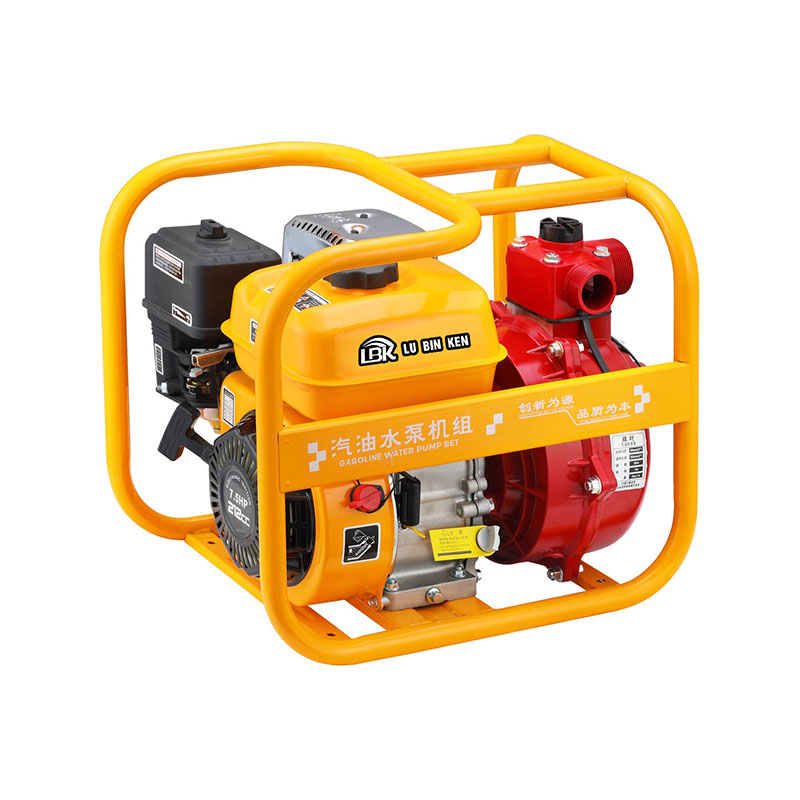
Centrifugal pumps move high volumes of clean or slightly dirty water. The impeller spins inside a volute, creating suction and pushing water out the discharge. A gasoline engine multi-purpose water pump with a cast iron impeller handles sand and silt that wear out aluminum.
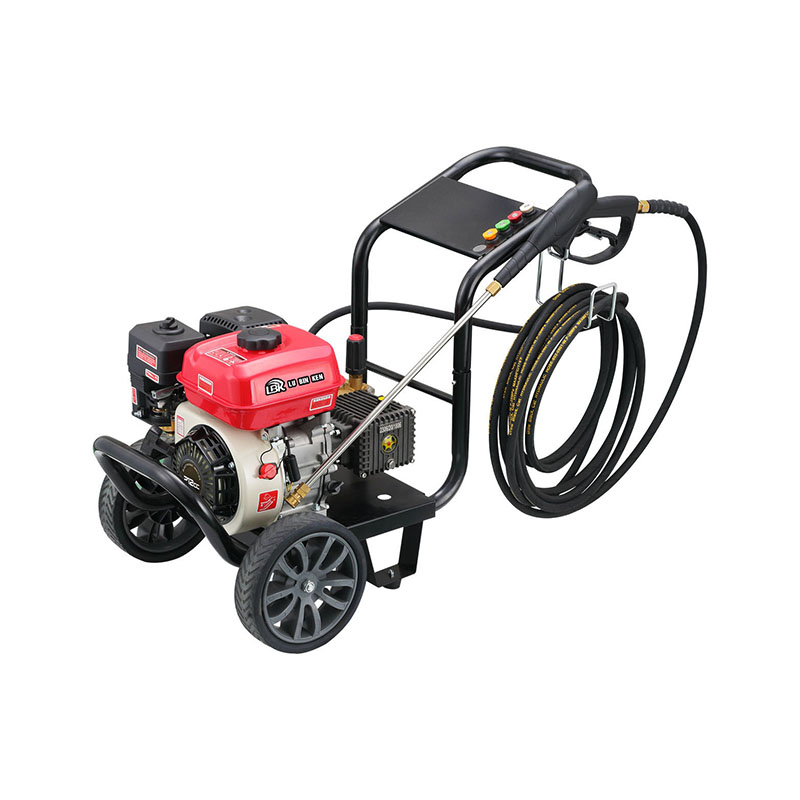
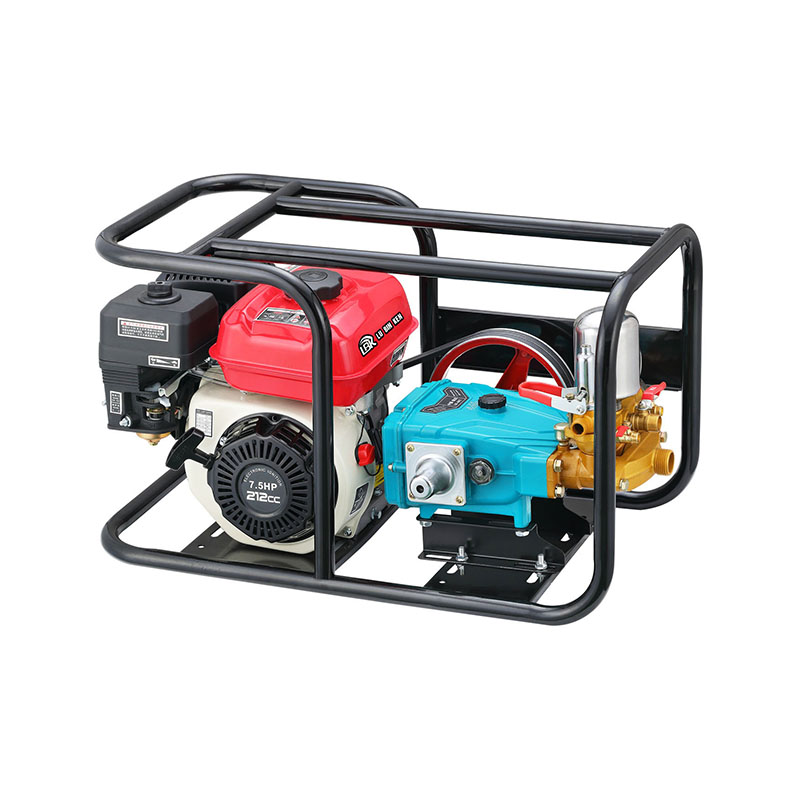
Diaphragm pumps handle thicker water with solids. Trash pumps pass twigs, leaves, and small stones without clogging. High-pressure piston pumps deliver the pressure for spraying and firefighting. A gasoline engine multi-purpose water pump with interchangeable pump heads or a pump selected for the user's primary job does not compromise on the task that pays the bills.
The mechanical seal between the engine and the pump is the failure point on every water pump. Water leaking past the seal contaminates engine oil and destroys bearings. A gasoline engine multi-purpose water pump with a silicon carbide seal survives the abrasive particles in dirty water and handles the heat of brief dry running.
The suction hose pulls water into the pump. A hose not reinforced collapses under vacuum and chokes the flow. A gasoline engine multi-purpose water pump with a spiral-reinforced suction hose keeps its shape and delivers the water the pump is rated to move.
The strainer on the end of the suction hose keeps debris out of the impeller. A fine-mesh strainer clogs quickly in muddy conditions. A coarse strainer lets more through. A gasoline engine multi-purpose water pump with interchangeable strainers adapts the same pump to clean water transfer or debris-laden flood water. The foot valve inside the strainer holds prime when the pump stops.
Self-priming design means the operator fills the pump chamber with water before starting, and the pump handles the rest. A gasoline engine multi-purpose water pump that holds prime between cycles does not need repriming every time the operator stops to move hoses.
Here is what a multi-purpose pump needs:
Small farms irrigate from ponds in the morning, spray orchard trees in the afternoon, and drain a flooded equipment shed after a storm. A gasoline engine multi-purpose water pump with quick-connect hose fittings switches between jobs faster than hauling out three separate pumps.
Construction crews use the same pump for foundation dewatering, then switch to a trash pump head for flooded excavations full of mud and debris. Rental fleets send out one pump model that covers multiple customer needs, reducing the inventory of specialized machines.
Rural fire defense uses a high-pressure pump head on the same engine. A gasoline engine multi-purpose water pump with a fire hose connection pulls from a pond or a tank and delivers water where a fire truck cannot reach. The pump sits in the barn for irrigation 364 days a year and earns its cost on the day it is needed for fire.
Ethanol fuel left in the carburetor for months turns to varnish. A gasoline engine multi-purpose water pump with a fuel shutoff lets the operator run the engine dry before storage. The pump starts next season without carburetor disassembly.
The mechanical seal dries out and sticks during long storage. Running the pump dry for a few seconds before winter storage can crack a dry seal. A gasoline engine multi-purpose water pump with a seal designed to tolerate dry starts handles the neglect that real equipment endures.
A gasoline engine multi-purpose water pump does not specialize. It adapts. The same engine, the same frame, the same fuel. Choose a pump with an engine sized for the hardest job, a pump end matched to the primary water source, and seals that survive the gaps between uses. The water will move whenever and wherever it needs to. That is the reason to own one pump instead of three.



 No. 532 Xin Street, Xinqiao Town, Luqiao District, Taizhou City, Zhejiang Province
 [email protected]
 +86-13656559509
Copyright © Taizhou Lubin Electromechanical Co., Ltd. All Rights Reserved.



 EN
EN English
 русский
 عربى
عربى