
A standard electric water pump needs an outlet. Plug it in. Turn it on. Water moves. But many places have no outlet. Construction sites before power is run. Farm fields far from buildings. Flooded basements after a storm when the power is out. A gasoline engine water pump solves this problem. The pump runs on fuel, not electricity. Start the engine. The pump pulls water from a source and pushes it where you need it. No extension cords. No generators. No waiting for the utility company.
The engine spins an impeller that moves water through the pump housing
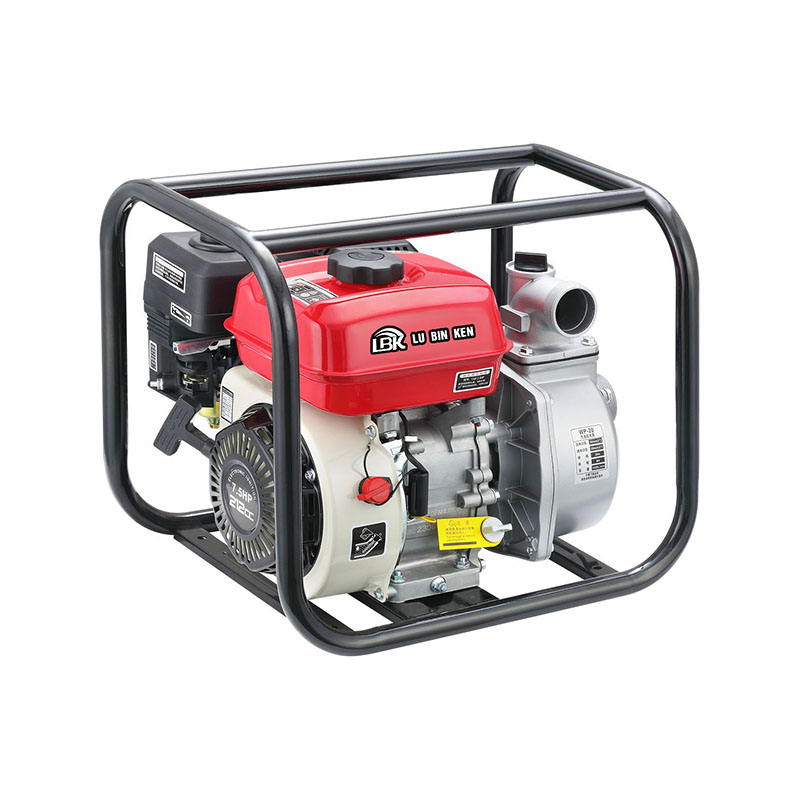
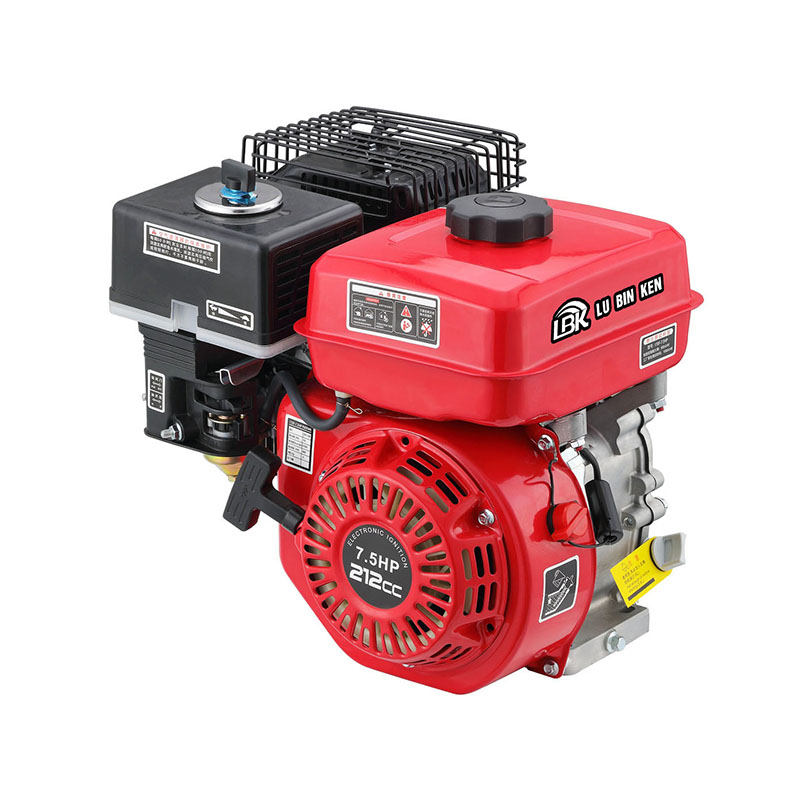
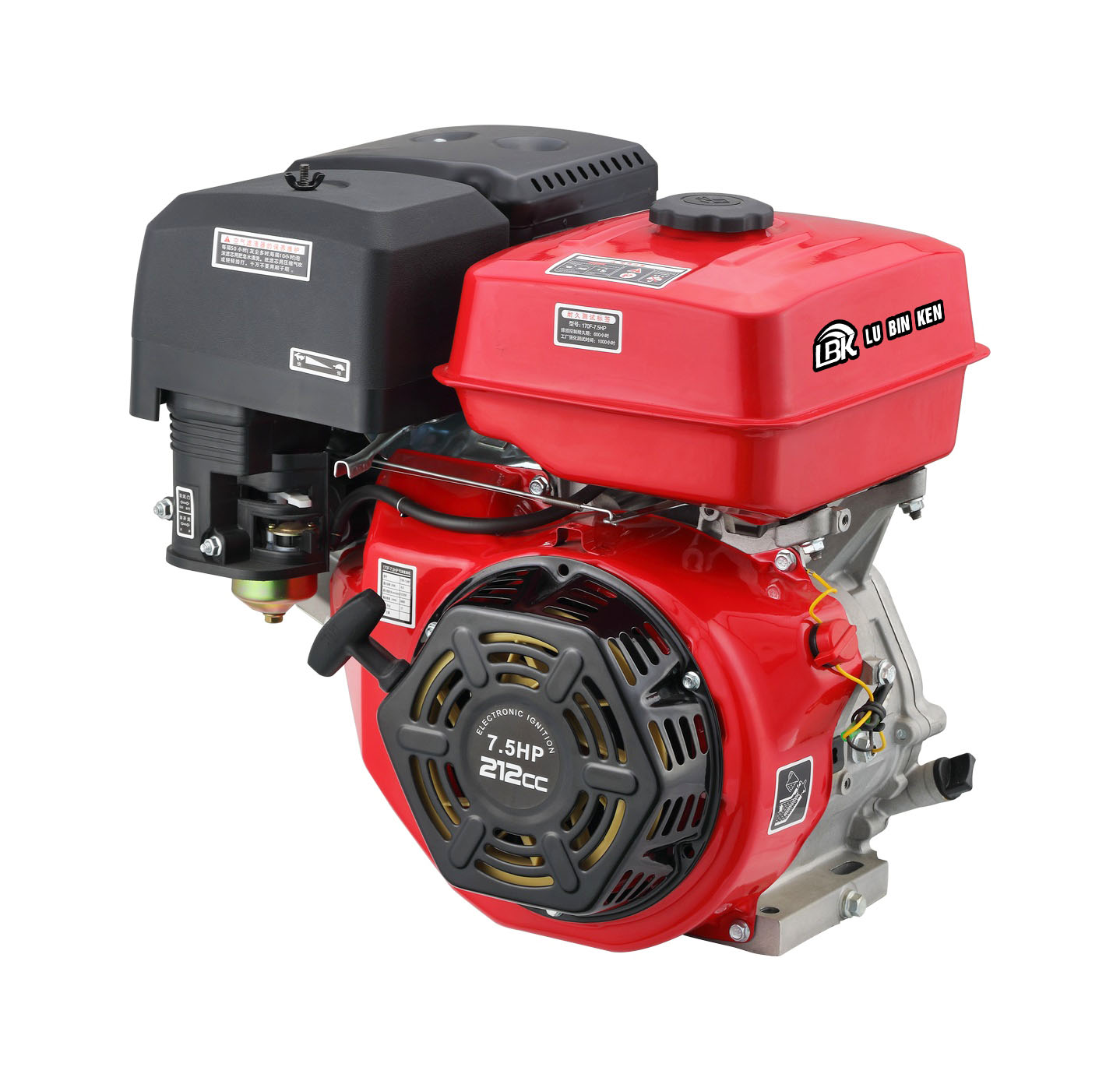
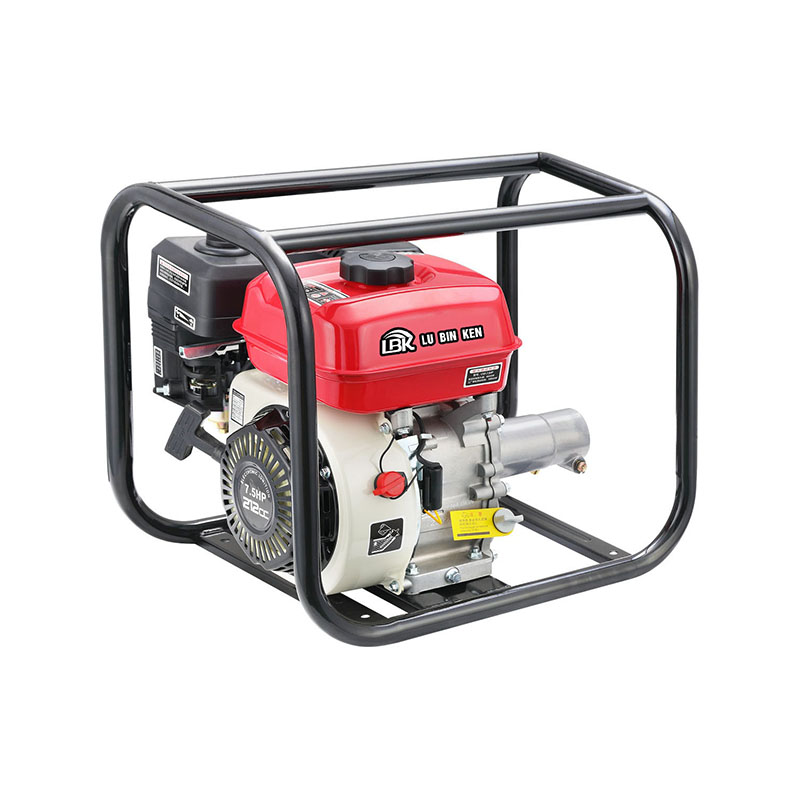
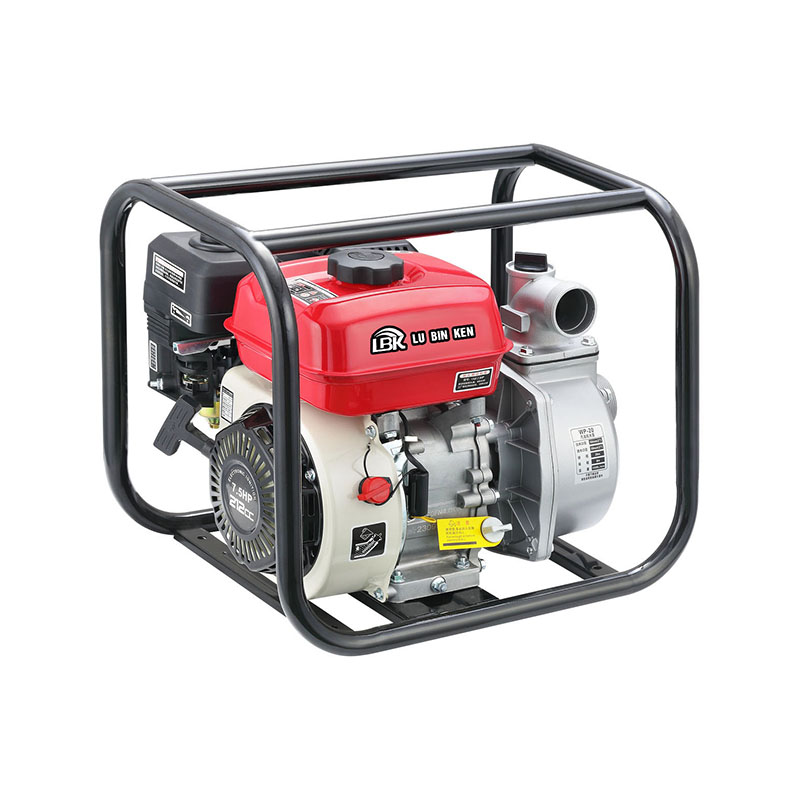
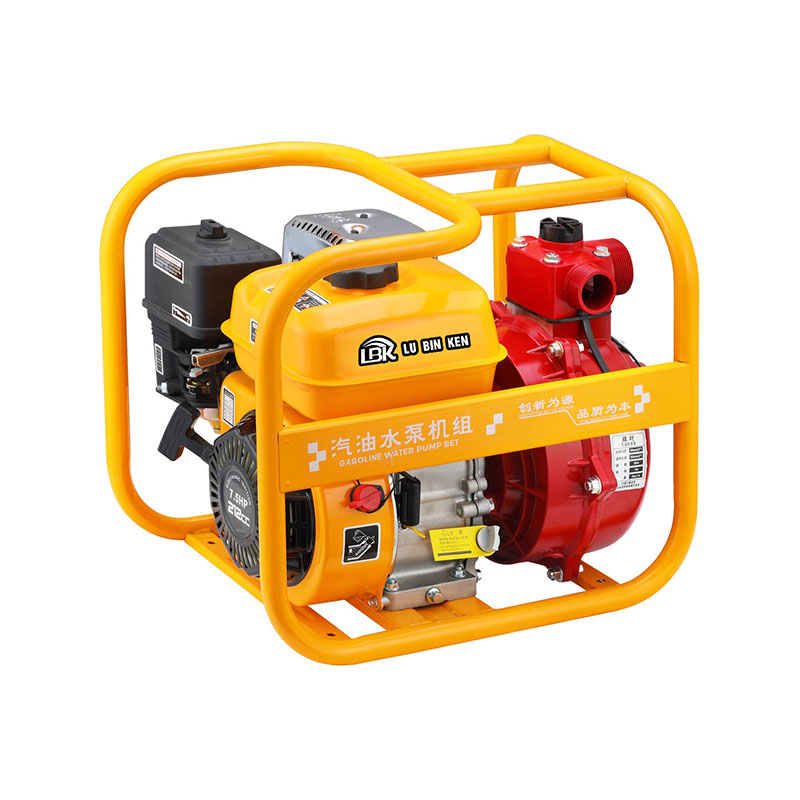
A gasoline engine water pump has two main parts. The engine is on top. The pump is below. The engine spins a shaft. The shaft connects to an impeller inside the pump housing. The impeller has curved vanes. As it spins, water is drawn into the center and thrown outward by centrifugal force.
The pump housing is shaped like a snail shell. The shape converts the high-speed water into pressure. The water exits through a discharge port. A garden hose or a larger discharge hose connects here. The pump moves water from a pond, a pit, or a flooded basement to somewhere else.
Priming is required before the pump will work
Manygasoline engine water pump products are self-priming, but only up to a point. The pump housing needs water in it before starting. The impeller cannot move air. Pour water into the pump through a priming port. The water seals the impeller. The pump can then pull water up from a source below the pump.
Priming lift is limited. A typical gasoline engine water pump can lift water about 5 to 7 meters vertically. After that, the pump loses prime. The engine runs. The impeller spins. No water moves.
Here is what a gasoline engine water pump needs to work correctly:
Construction sites for dewatering excavations
A building foundation needs to be dry before concrete is poured. Rain and groundwater collect in the hole. An electric pump would need a generator or a long extension cord. A gasoline engine water pump sits next to the hole. The suction hose drops into the water. The discharge hose runs to a drainage area. The engine runs for hours. The hole stays dry.
Farm and agricultural use for irrigation and pond management
A farm pond needs to fill a spray tank. A field is flooded after heavy rain. The barn has no electricity. A gasoline engine water pump moves water from the pond to the tank. Or from the field to the ditch. The pump runs all day. Refuel as needed.
Emergency flooding response for basements and low areas
A storm knocks out power. The sump pump does not work. The basement fills with water. A gasoline engine water pump in the back of a truck gets to the house. The suction hose goes down the basement stairs. The discharge hose runs to the street. Water moves out. The basement dries.
Engine reliability determines whether the pump works when you need it
A gasoline engine water pump sits in a shed or a truck bed for months. Then a flood comes. The engine needs to start. Good engines use reliable carburetors with drain screws. After use, you drain the fuel. The carburetor does not gum up. The pump starts next time.
Cheap engines use poor carburetors. The fuel turns to varnish. The carburetor clogs. The pump does not start. The basement floods.
Here is how engine quality affects a gasoline engine water pump:
Pump housing material affects durability and weight
Aluminum pump housings are light. They resist corrosion. They cost more. Cast iron housings are heavy. They handle abrasion from sandy water better. They are cheaper. A pump for clear water can use aluminum. For muddy or sandy water, cast iron lasts longer.
Flow rate and head pressure determine what the pump can do
Flow rate is measured in liters per minute. A small pump moves 200 liters per minute. A large pump moves 1000 liters per minute. Head pressure is the vertical distance the pump can push water. A 30-meter head pump can push water up a hill or through a long hose. Match the pump to the job. A flooded basement needs high flow, low head. A long irrigation run needs lower flow, higher head.
The pump loses prime and will not suck water
A gasoline engine water pump with an air leak in the suction line loses prime. The impeller spins. No water moves. Cheap pumps have poor gaskets or thin hoses that collapse under suction. The fix is to check every connection. The suction hose needs to be rigid enough to not collapse. The strainer needs to stay submerged.
The engine starts but will not stay running
A clogged carburetor is the many common problem. Cheap engines have small passages in the carburetor. Old fuel gums them up. The engine runs for a few seconds then dies. The pump is useless until the carburetor is cleaned or replaced.
The mechanical seal leaks water into the engine oil
The shaft passes from the engine to the pump. A mechanical seal keeps water out of the engine. Cheap pumps use poor seals. The seal leaks. Water mixes with engine oil. The engine runs rough. Then it seizes. The pump is scrap.
A gasoline engine water pump is not a tool for daily use. It is for when you need to move water and have no electricity. For that job, nothing else works. Buy a pump with a reliable engine. Drain the fuel after each use. Check the mechanical seal. Keep a spare suction hose. When the basement floods or the field is under water, you will be glad you have it.



 No. 532 Xin Street, Xinqiao Town, Luqiao District, Taizhou City, Zhejiang Province
 [email protected]
 +86-13656559509
Copyright © Taizhou Lubin Electromechanical Co., Ltd. All Rights Reserved.



 EN
EN English
 русский
 عربى
عربى