
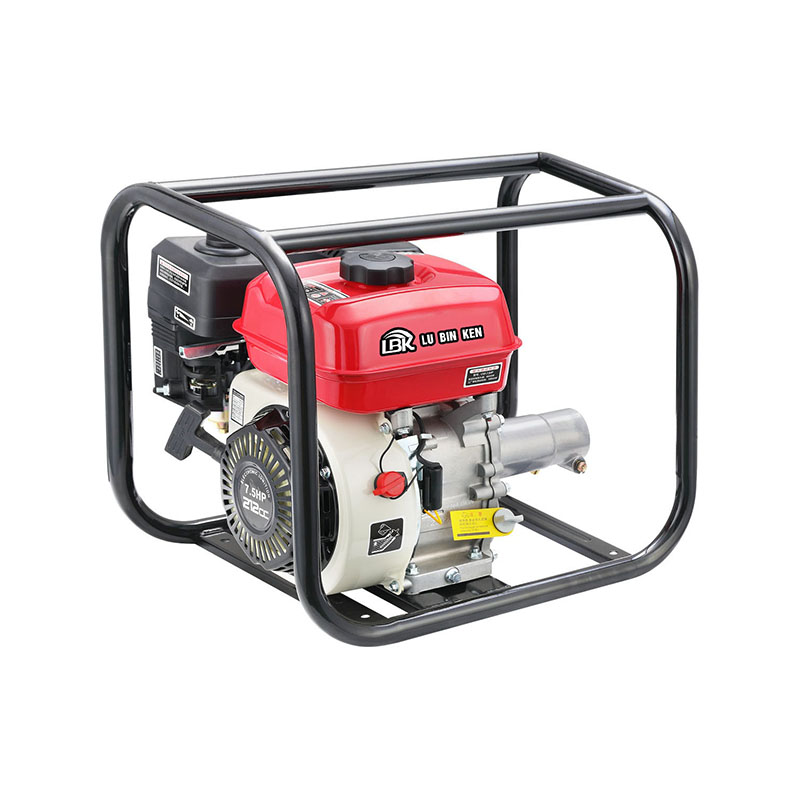
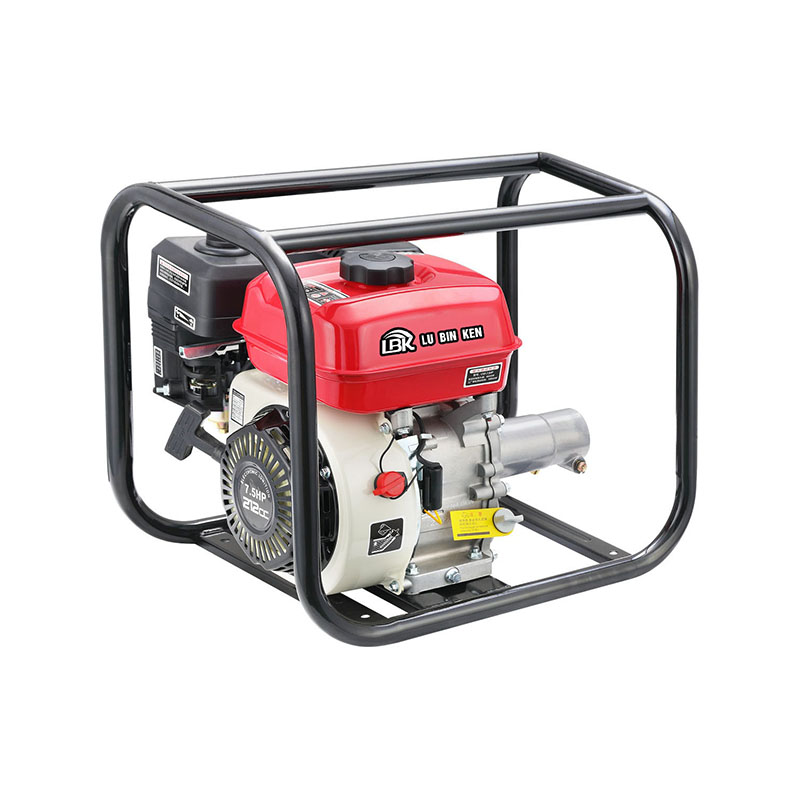
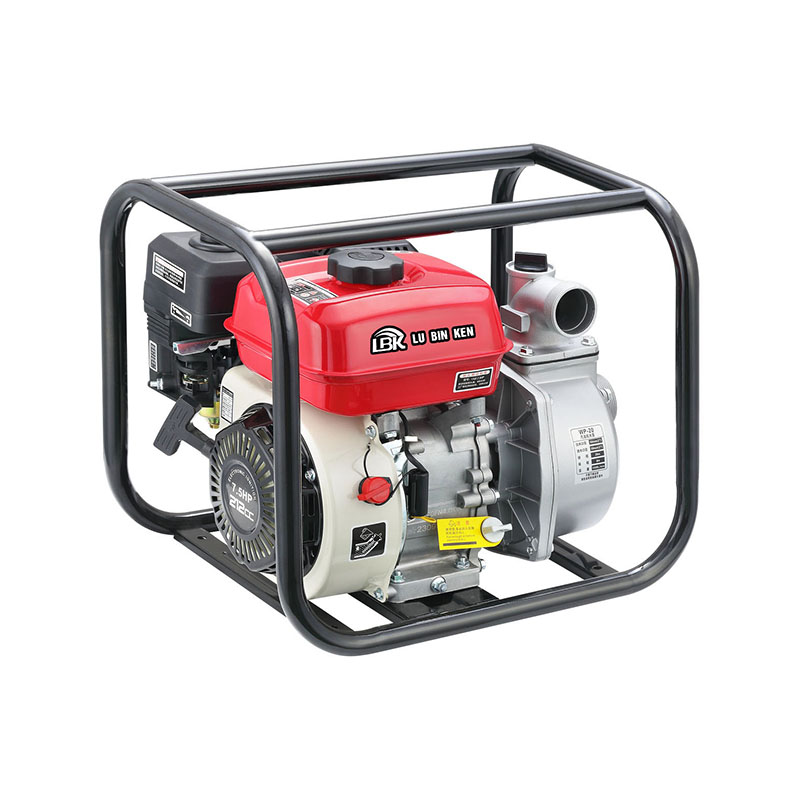
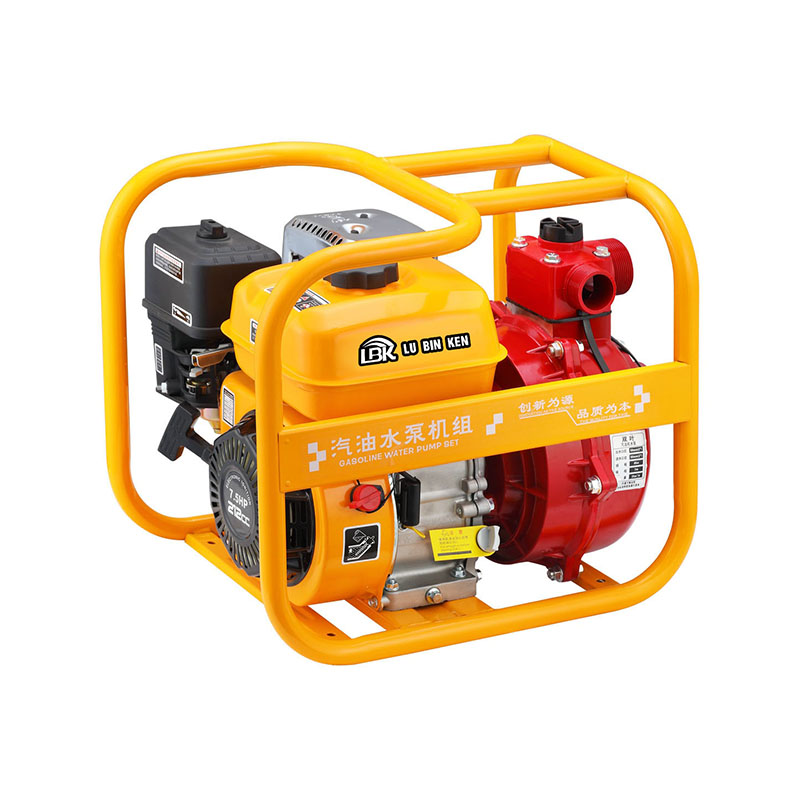
A gasoline water pump goes where the power line does not. A flooded basement, a field irrigation ditch, a construction trench. The engine drives the impeller, the impeller moves the water, and the whole unit runs on a tank of fuel. A gasoline water pump factory builds these machines for agriculture, construction, and emergency response. The engine and the pump have to be matched. The seal has to survive the mud. The frame has to take the truck bed.
A pump that moves two inches of water needs a certain horsepower. A pump that moves three inches needs more. The factory that sizes the engine to the pump delivers a unit that hits its rated flow without lugging or overspeeding. An engine that is too small stalls under load. One that is too large wastes fuel and adds weight.
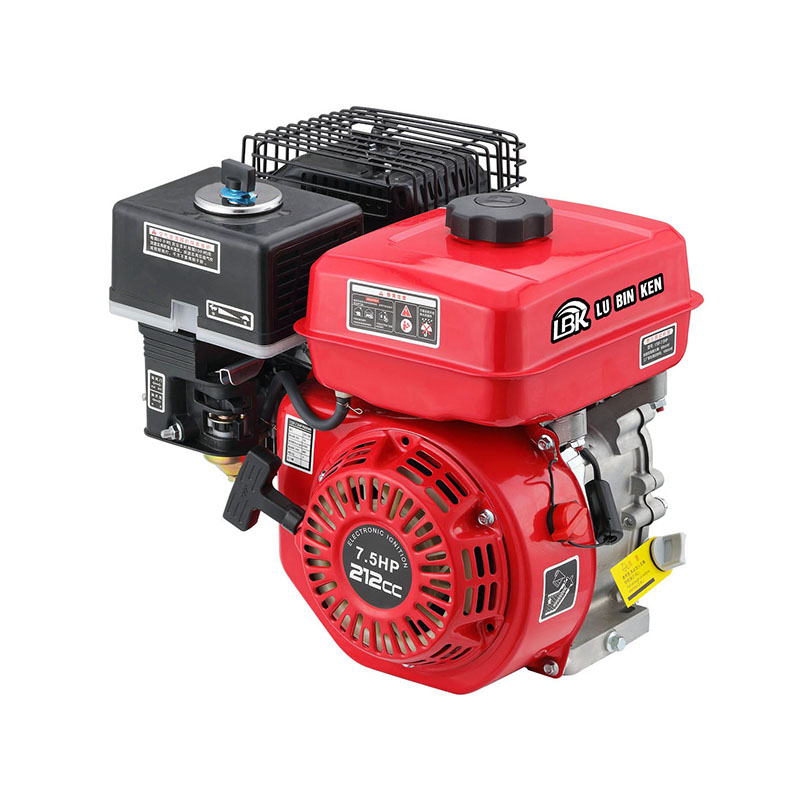
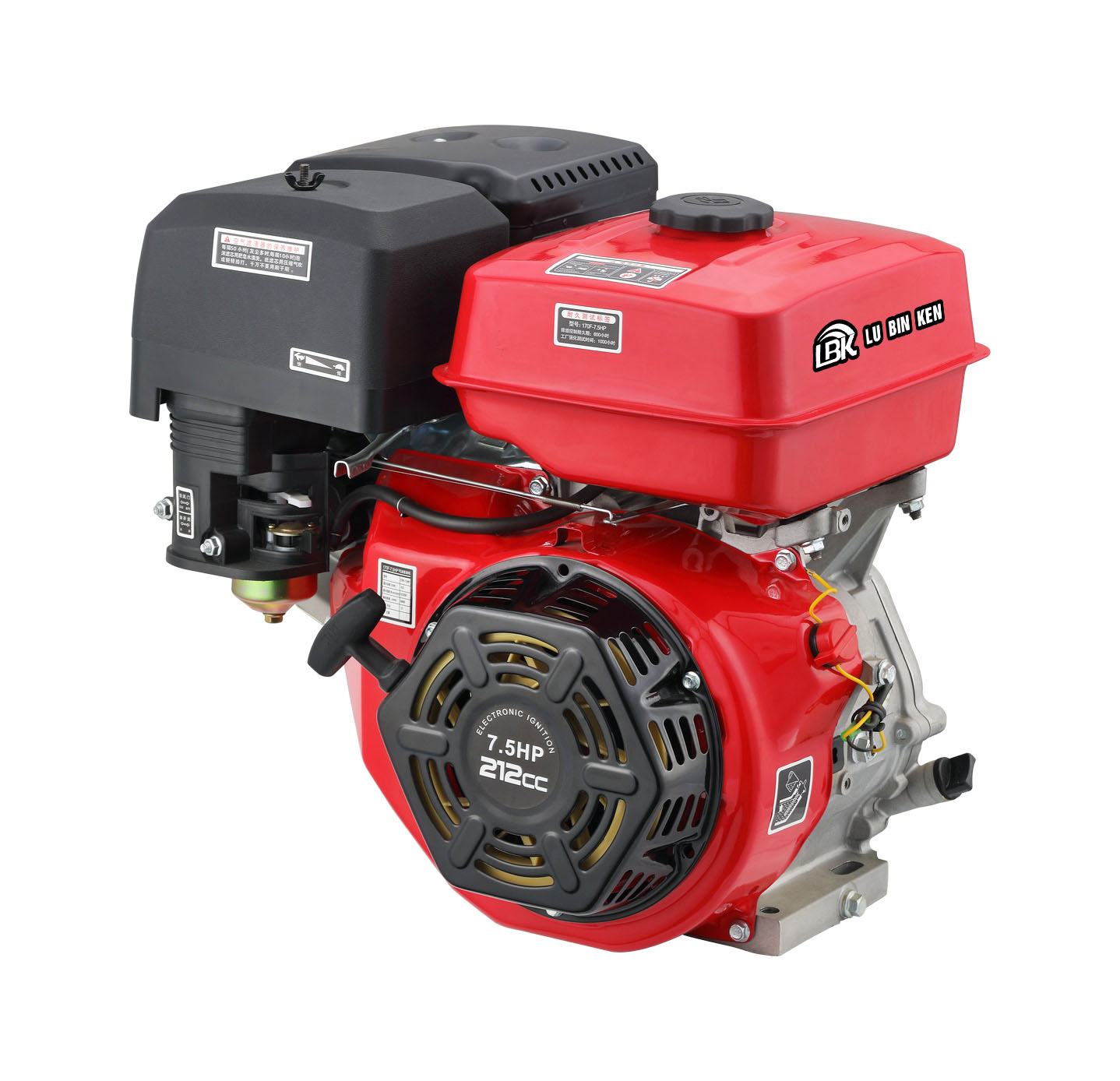
The engine is a single-cylinder four-stroke, air-cooled, with a pull start. Air cooling means no radiator, no coolant, and no freeze damage in winter. The factory that fits the cooling fins and the fan shroud properly keeps the engine cool through a long run.
The mechanical seal between the engine shaft and the pump housing keeps the water out of the crankcase and the oil out of the water. It is the part that fails first when the pump runs dry or moves abrasive water. A silicon carbide seal handles the heat of a brief dry run better than a standard carbon seal. The factory that specifies the right seal for the duty builds a pump that comes back from the field still running.
The flow rate on the box is the up to at zero head. The real number is lower. Every meter of lift reduces the flow. Every meter of discharge hose adds friction. The factory that publishes the pump curve lets the buyer estimate the actual output at the working head. The buyer who chooses by the box number is often disappointed.
The suction hose has to be reinforced so it does not collapse under vacuum. A collapsing hose chokes the flow and the pump loses prime. The factory that supplies the reinforced hose with the pump saves the customer the guesswork.
Here is what a gasoline water pump factory has to deliver:
The frame holds the engine, the pump, and the hose connections in one unit. It gets lifted in and out of the truck, dropped on the ground, and rolled across the site. The factory that welds the frame and mounts the components with vibration isolation builds a unit that survives the transport.
Farmers use it to move water from the canal to the field. Contractors use it to dewater the trench. Emergency crews use it when the storm takes the power out. Each one needs the pump to start on the first or second pull and run until the job is done.
A gasoline water pump factory builds the machine that carries its own power. The engine drives. The impeller moves. The frame protects. Choose a factory that matches the engine to the pump and specs the seal for the duty.



 No. 532 Xin Street, Xinqiao Town, Luqiao District, Taizhou City, Zhejiang Province
 [email protected]
 +86-13656559509
Copyright © Taizhou Lubin Electromechanical Co., Ltd. All Rights Reserved.



 EN
 English
 русский
 عربى