
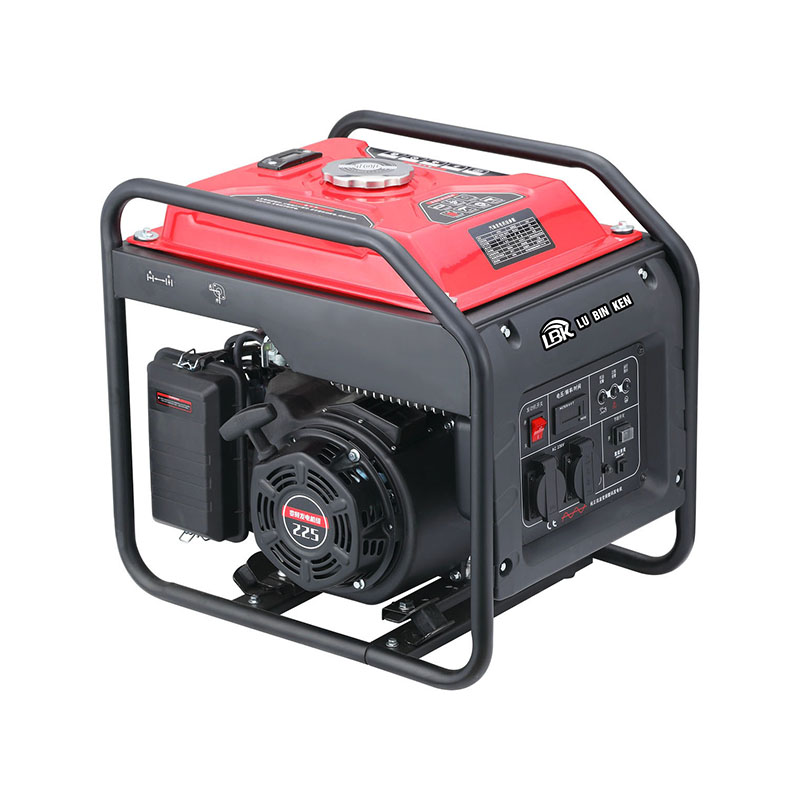
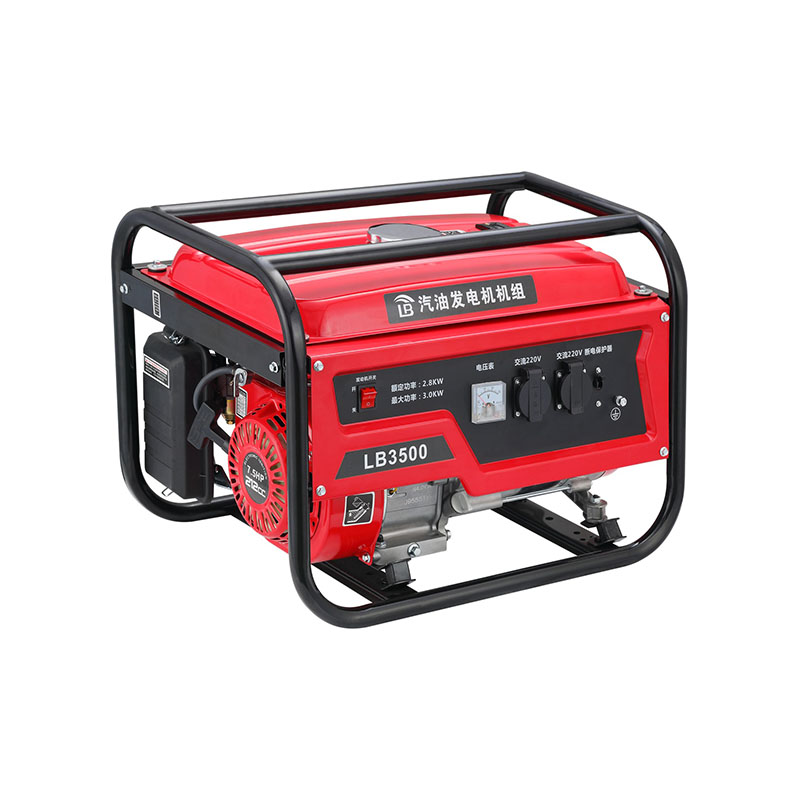
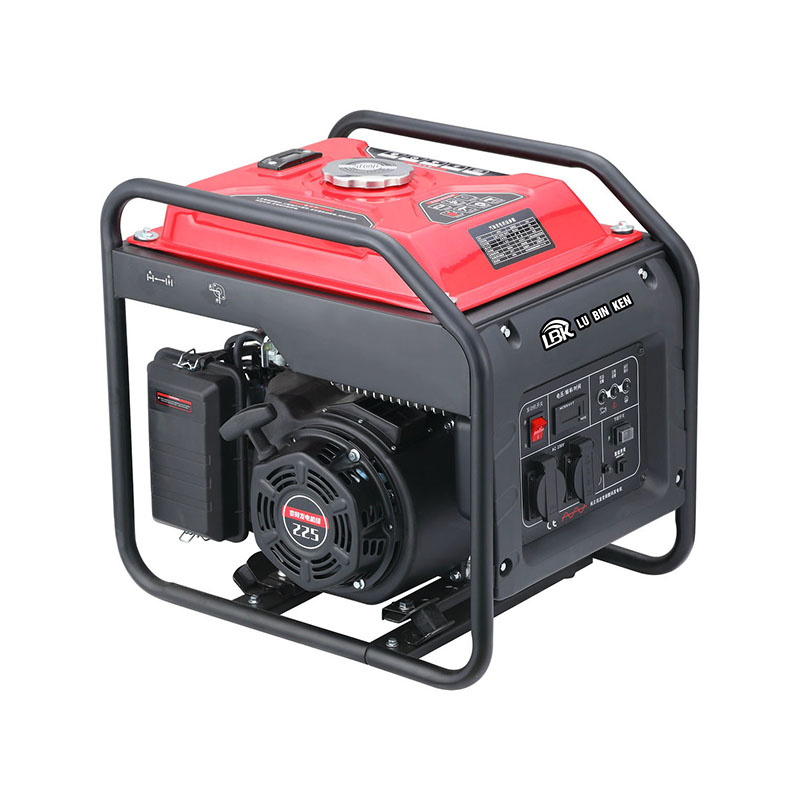
Copper-wound inverter generators are portable generators that use copper windings in the alternator and inverter electronics to produce stable AC power. The inverter converts raw generator output into clean, stable electricity suitable for sensitive electronics. The copper windings improve efficiency and heat dissipation compared to aluminum windings. Manufacturers report steady demand from camping, construction, and emergency backup markets.
Copper conducts electricity better than aluminum
Copper has lower resistance than aluminum. A copper-wound inverter generator manufacturer uses copper windings that generate less heat and waste less energy. The generator runs cooler and produces more usable power.
The windings are more durable than aluminum
Copper resists corrosion and oxidation. A copper-wound inverter generator manufacturer uses copper windings that last longer than aluminum windings, especially in humid environments.
The alternator produces raw AC power
The engine turns the alternator rotor. A copper-wound inverter generator manufacturer uses copper windings in the stator to produce raw AC power. The power is then converted by the inverter.
Common specs for copper-wound inverter generators:
Campers need quiet, stable power for electronics
Campsites need power for phones, lights, and small appliances. A copper-wound inverter generator manufacturer supplies generators that produce clean power without noise.
Emergency backup needs reliable power for critical devices
Storms knock out power. A copper-wound inverter generator manufacturer provides generators that run medical devices, computers, and refrigerators.
Construction sites need portable power for tools
Job sites lack grid power. A copper-wound inverter generator manufacturer supplies generators that run power tools and lights.
Outdoor events need clean power for sound and lighting
Events need stable power. A copper-wound inverter generator manufacturer provides generators that run sensitive audio and lighting equipment.
THD determines whether the power is clean enough for electronics
Low THD means stable power. A copper-wound inverter generator manufacturer specifies THD for each model.
Runtime must cover the intended use
Longer runtime means fewer refuels. A copper-wound inverter generator manufacturer specifies runtime at half load.
Noise level affects where the generator can be used
Quiet generators can be used near people. A copper-wound inverter generator manufacturer designs generators with low noise levels.
Copper windings affect efficiency and heat
Copper windings run cooler than aluminum. A copper-wound inverter generator manufacturer uses copper for better performance.
Portability affects where the generator can be used
Weight and handles determine transport. A copper-wound inverter generator manufacturer designs generators for one- or two-person transport.
The generator produces clean, stable power
Inverter electronics convert raw power to clean AC. A copper-wound inverter generator manufacturer produces generators that protect sensitive electronics.
The copper windings improve efficiency
Less energy is wasted as heat. A copper-wound inverter generator manufacturer supplies generators that run longer on the same amount of fuel.
The generator is quieter than conventional generators
Inverter generators run at variable speed. A copper-wound inverter generator manufacturer provides generators that are quieter than standard models.
Copper-wound inverter generators are used in camping, emergency backup, construction, and outdoor events. Buyers prioritize THD, runtime, and noise level. Copper-wound inverter generator manufacturers continue to offer different power outputs, fuel tank sizes, and noise levels to meet the needs of different applications.



 No. 532 Xin Street, Xinqiao Town, Luqiao District, Taizhou City, Zhejiang Province
 [email protected]
 +86-13656559509
Copyright © Taizhou Lubin Electromechanical Co., Ltd. All Rights Reserved.



 EN
 English
 русский
 عربى