
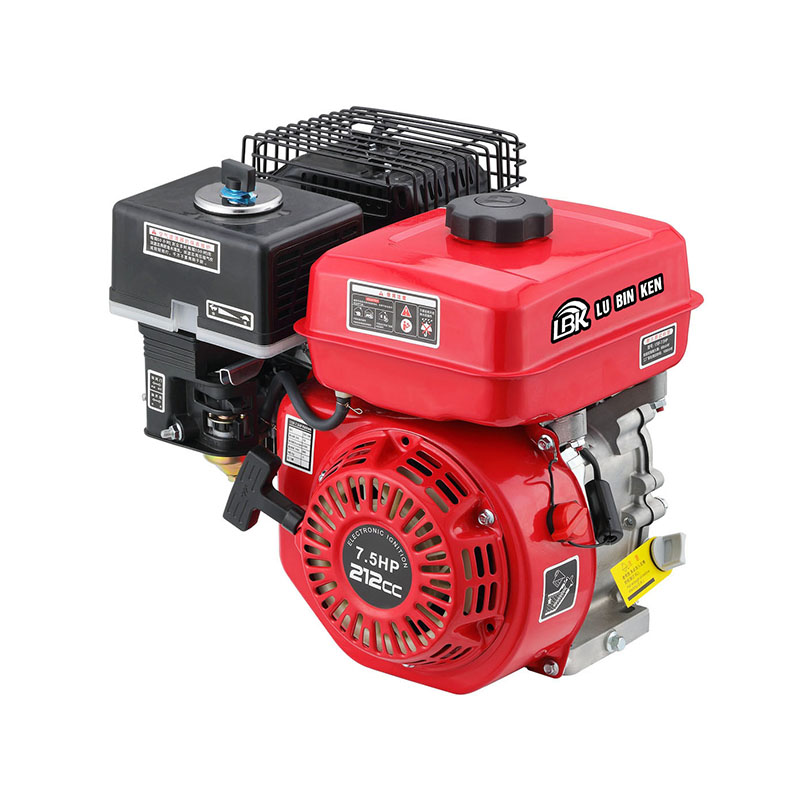
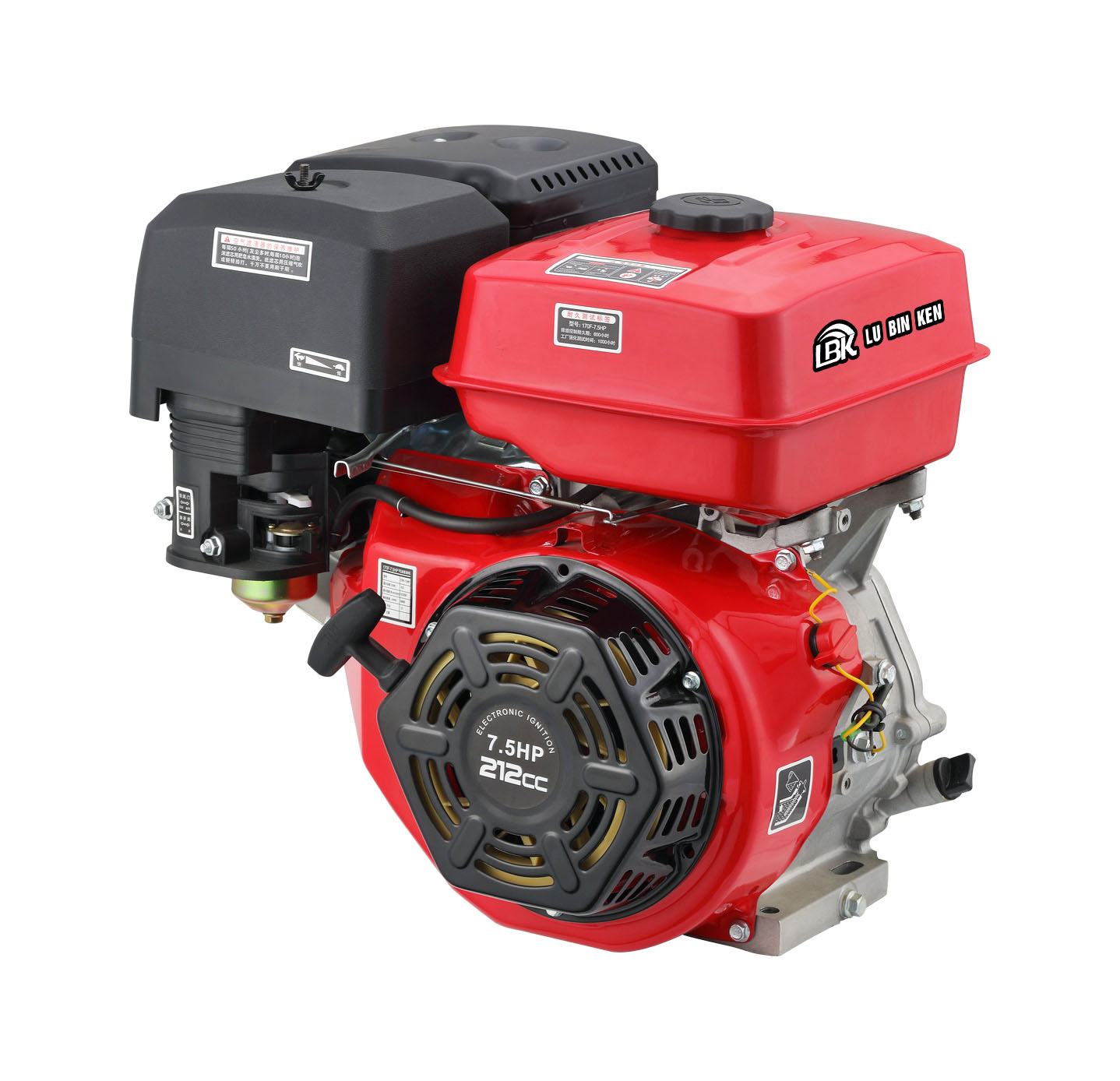
An engine burns fuel and produces heat. A liquid-cooled engine uses a radiator, coolant, and a water pump to move that heat away. A forced air-cooled gasoline power engine does not. Fins cast into the cylinder and head expose more surface area to the air. A fan built into the flywheel pulls air across those fins and carries the heat away. The system is simpler, lighter, and has no coolant to leak. For pumps, generators, tillers, and pressure washers, the forced air-cooled gasoline engine is the power plant that runs where a radiator would be a liability.
The cylinder and the head have rows of fins cast into the iron or aluminum. The fins increase the surface area available for heat transfer. The more surface area, the more heat the air can carry away. A forced air-cooled gasoline power engine with properly designed fins runs at a stable temperature under continuous load.
The fan is part of the flywheel. It pulls air through a shroud and directs it over the fins. The shroud is not decorative. It channels the airflow so the air actually passes over the hot surfaces instead of swirling around the engine. A forced air-cooled gasoline power engine with a properly fitted shroud cools evenly across the cylinder and the head.
The cooling system depends on ambient air. Hot weather reduces the cooling effect. Dust and debris clog the fins and block the airflow. A forced air-cooled gasoline power engine with a clean, unclogged fin surface and a functioning shroud keeps cool even on a hot day.
The liquid cooling system is a set of failure points: the radiator, the hoses, the water pump, the thermostat, the coolant. A forced air-cooled gasoline power engine eliminates all of them. No coolant to check. No radiator to puncture. No water pump to fail.
The weight drops. A forced air-cooled gasoline power engine is lighter than a liquid-cooled engine of the same displacement because it does not carry the radiator, the coolant, or the pump. On a portable generator or a tiller, that weight saving matters.
The cold-weather problem also disappears. Liquid-cooled engines freeze if the coolant is not mixed with antifreeze. A forced air-cooled gasoline power engine has no water to freeze. It starts in the cold without a cracked block.
The governor controls the engine speed under changing load. When the pump or generator demands more power, the governor opens the throttle. When the load drops, it closes. A forced air-cooled gasoline power engine with a properly set governor holds steady speed, which means steady output from the pump or generator it drives.
The output shaft is either a straight keyed shaft, a tapered shaft, or a threaded shaft. The shaft has to match the equipment it powers. A forced air-cooled gasoline power engine supplied with the right shaft specification bolts directly onto the pump or the generator head.
The recoil starter pulls the engine to life. A forced air-cooled gasoline power engine with a smooth recoil and a properly tensioned spring starts on the first or second pull.
Here is what a forced air-cooled gasoline power engine needs to deliver:
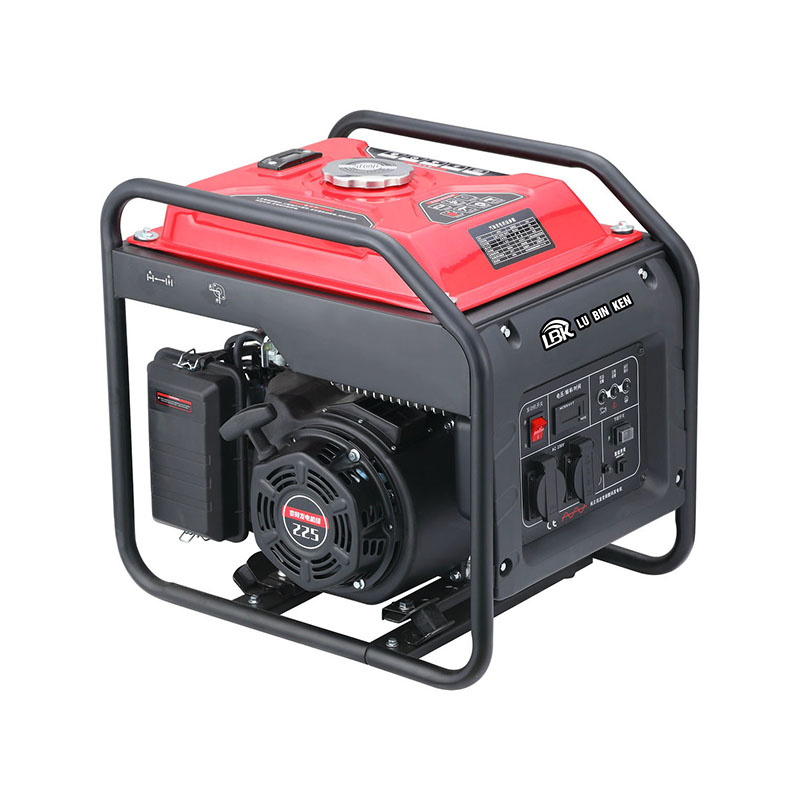
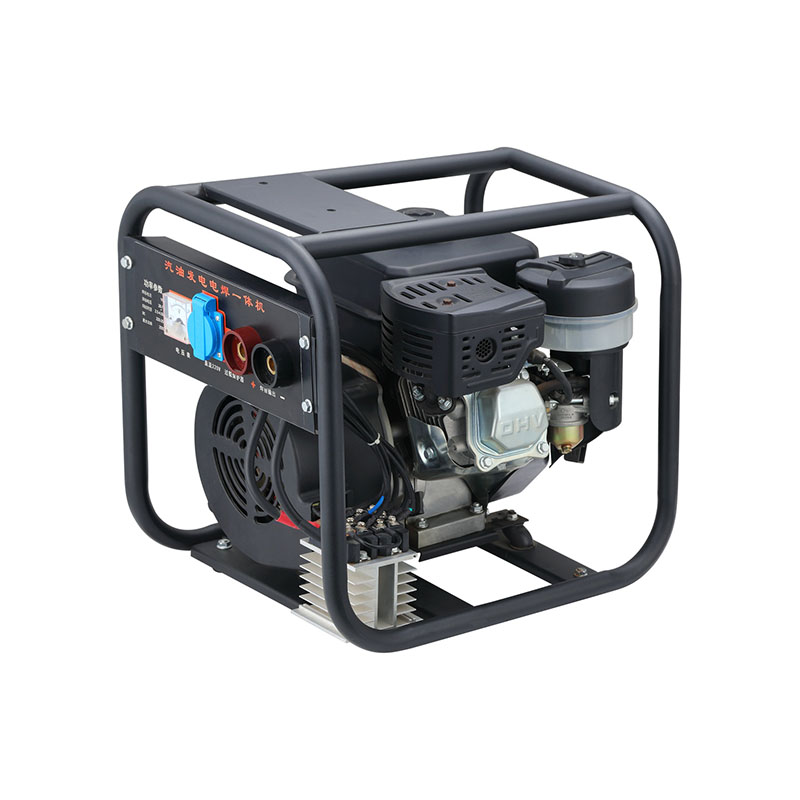
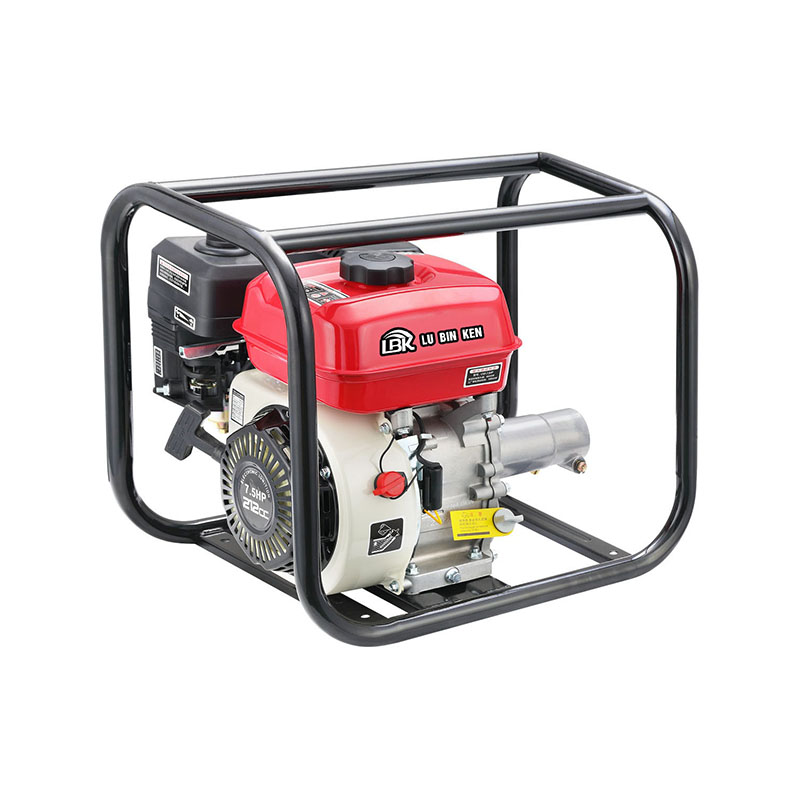
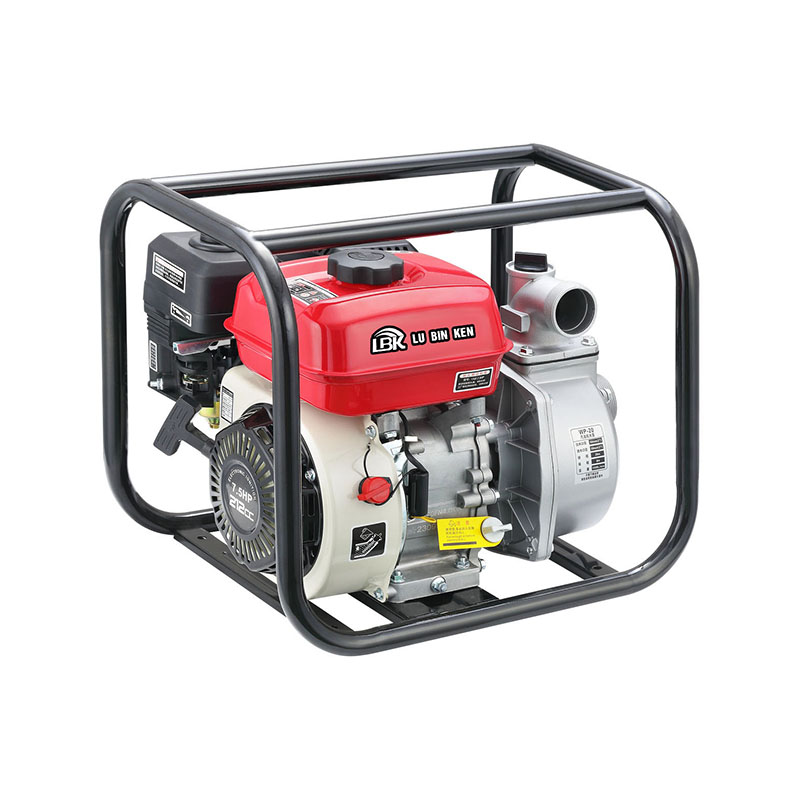
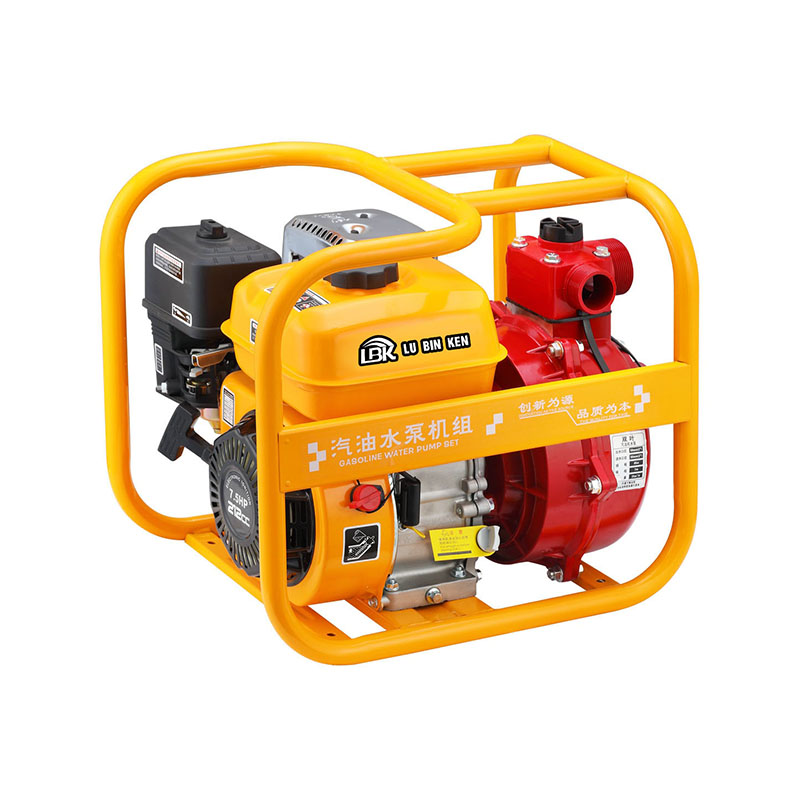
Pumps use the engine to spin the impeller. The engine sits on the pump frame, exposed to the water spray and the dust. A forced air-cooled gasoline power engine with a protected air intake and a sealed ignition system runs through the conditions.
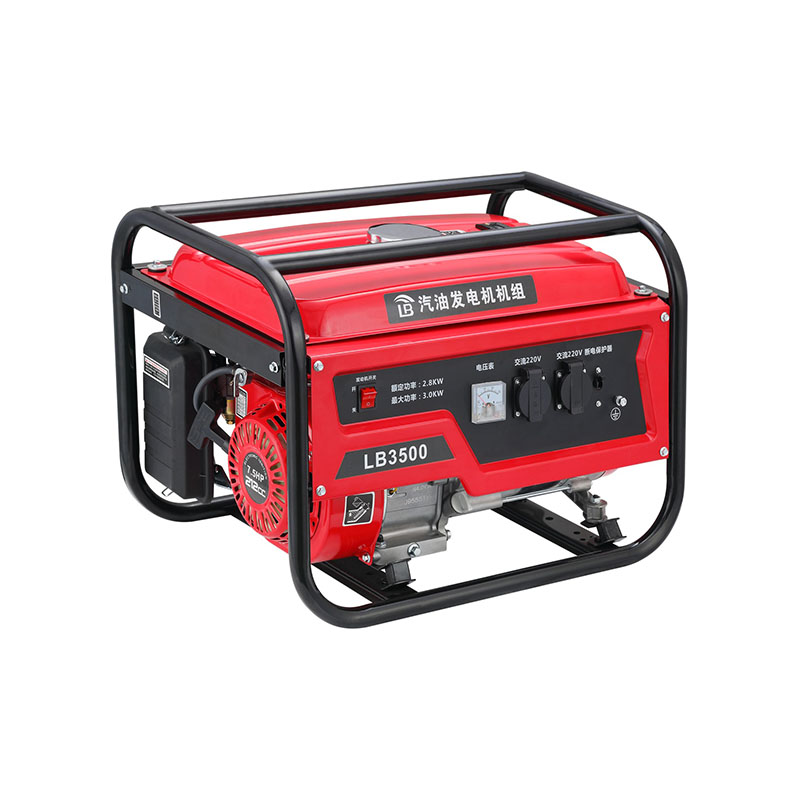
Generators use the engine to spin the alternator. The engine runs for hours at a steady speed. A forced air-cooled gasoline power engine with a large fuel tank and an oil alert shuts down before the oil level gets dangerous.
Tillers and cultivators use the engine in the dirt. Dust and grit fly up from the tines. A forced air-cooled gasoline power engine with a quality air filter and cleanable foam element survives the dust.
The fins clog with grass, dust, or mud. The airflow stops. The engine overheats and seizes. A forced air-cooled gasoline power engine with a cleanable fin surface and a properly maintained filter avoids this. The shroud cracks and the airflow scatters. The cooling fails. A properly fitted shroud holds. The oil level drops and the engine runs dry. An oil alert shutoff prevents the seizure.
A forced air-cooled gasoline power engine is the simple, durable power plant for portable equipment. The fins shed the heat. The fan moves the air. The governor holds the speed. Choose an engine with proper cooling, a reliable governor, and a clean air intake. The pump, the generator, the tiller will run and keep running. That is what the engine is for.



 No. 532 Xin Street, Xinqiao Town, Luqiao District, Taizhou City, Zhejiang Province
 [email protected]
 +86-13656559509
Copyright © Taizhou Lubin Electromechanical Co., Ltd. All Rights Reserved.



 EN
 English
 русский
 عربى