
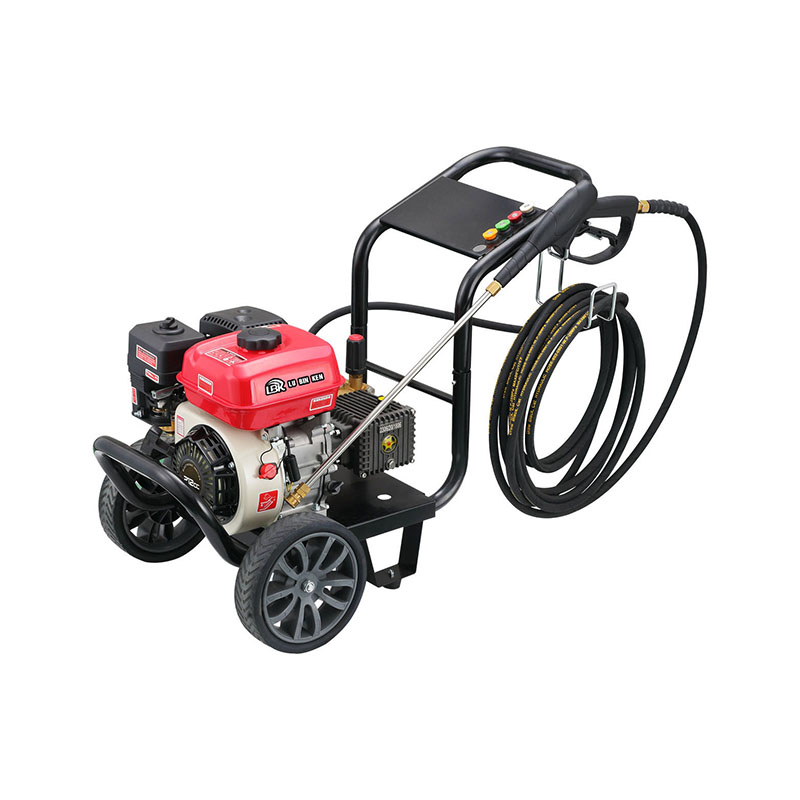
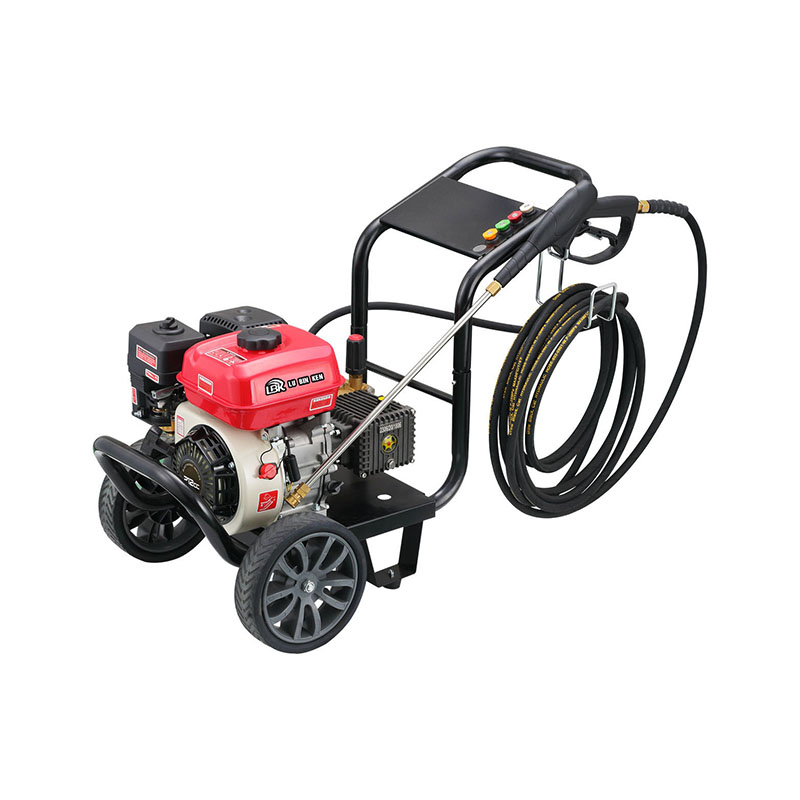
An electric pressure washer works fine near a house. Plug it in. Turn on the water. Spray. But what about the barn? The construction site? The equipment yard with no outdoor outlet? A petrol pressure washer runs on gasoline. No cord. No extension reel. No tripped breakers. You start the engine and spray. Here is what you need to know before buying one.
Gasoline engines produce more pressure than electric motors
A standard electric pressure washer puts out 1,500 to 2,000 PSI. Enough for a car or a patio. A petrol pressure washer starts at 2,500 PSI and goes up to 4,000 PSI or more. That extra pressure blasts off caked mud, peeling paint, and years of grime.
The higher pressure comes from a bigger pump. The pump needs more power. The gasoline engine delivers it. No 15-amp circuit breaker getting in the way.
No electricity means you can work anywhere
A petrol pressure washer works in fields, barns, and construction sites. Anywhere you can carry a gas can. The machine does not care if the nearest outlet is 200 meters away. You are not dragging extension cords through the mud.
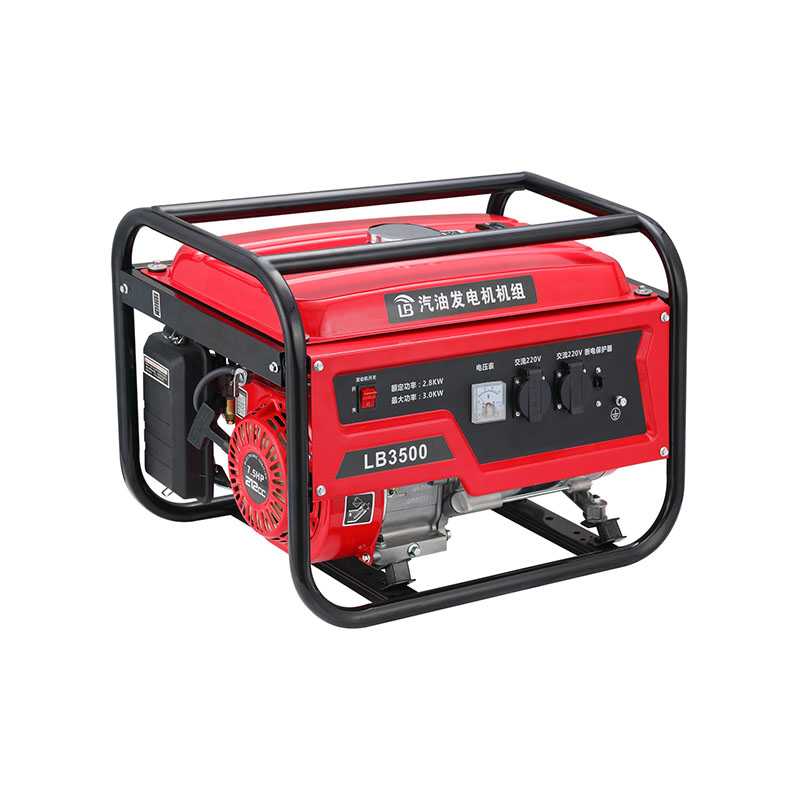
This also matters during power outages. Storm knocked out the grid? The petrol pressure washer still runs. Clean up debris. Wash down equipment. Keep working.
Farm and ranch cleaning for equipment and animal areas
Tractors get muddy. Animal pens need washing. A petrol pressure washer lives on the farm. No need to run power to the barn. Gas up and spray. The high pressure knocks dried manure off concrete. It strips grease off tractor parts.
Construction sites for cleaning tools and machinery
Concrete mixers harden. Mud cakes onto excavator tracks. A petrol pressure washer sits in the back of a truck. The crew cleans up at the end of the day. Tools go back to the shop clean. Equipment stays in good shape.
Heavy-duty home use for driveways and siding
A homeowner with a long driveway might need more power than an electric washer provides. A petrol pressure washer blasts oil stains off asphalt. It strips old paint from siding. It cleans concrete where moss has taken over.
Here is where a petrol pressure washer makes the sense:
PSI and GPM tell you how much cleaning power you get
PSI is pressure. Pounds per square inch. Higher PSI blasts harder. GPM is flow. Gallons per minute. Higher GPM rinses faster. A petrol pressure washer needs both.
A 2,500 PSI unit with 2.0 GPM cleans slowly. A 3,000 PSI unit with 2.5 GPM cleans much faster. The difference is worth the extra cost.
Engine quality determines whether the washer starts when you need it
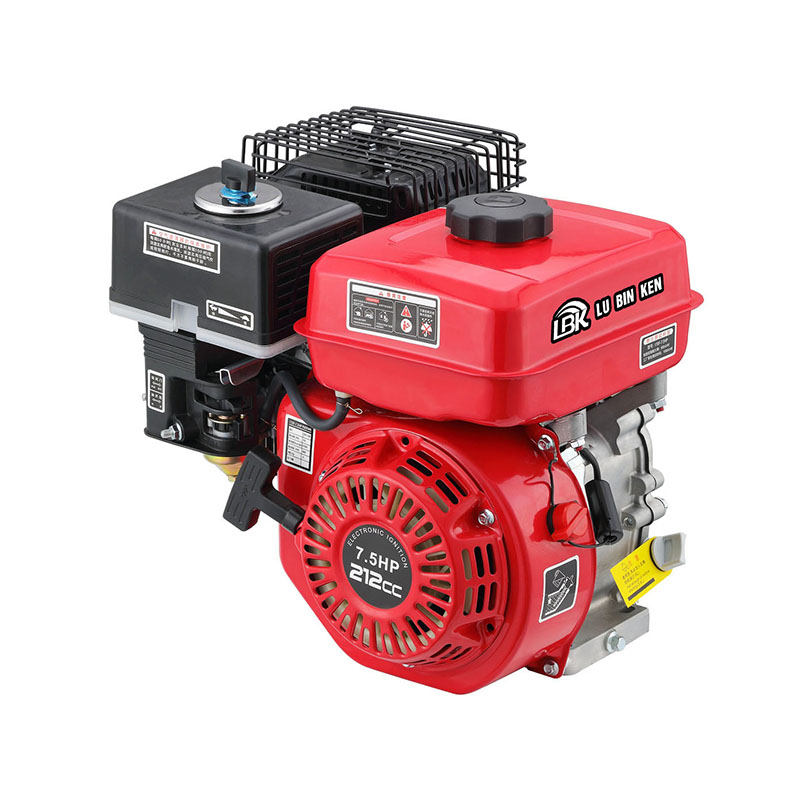
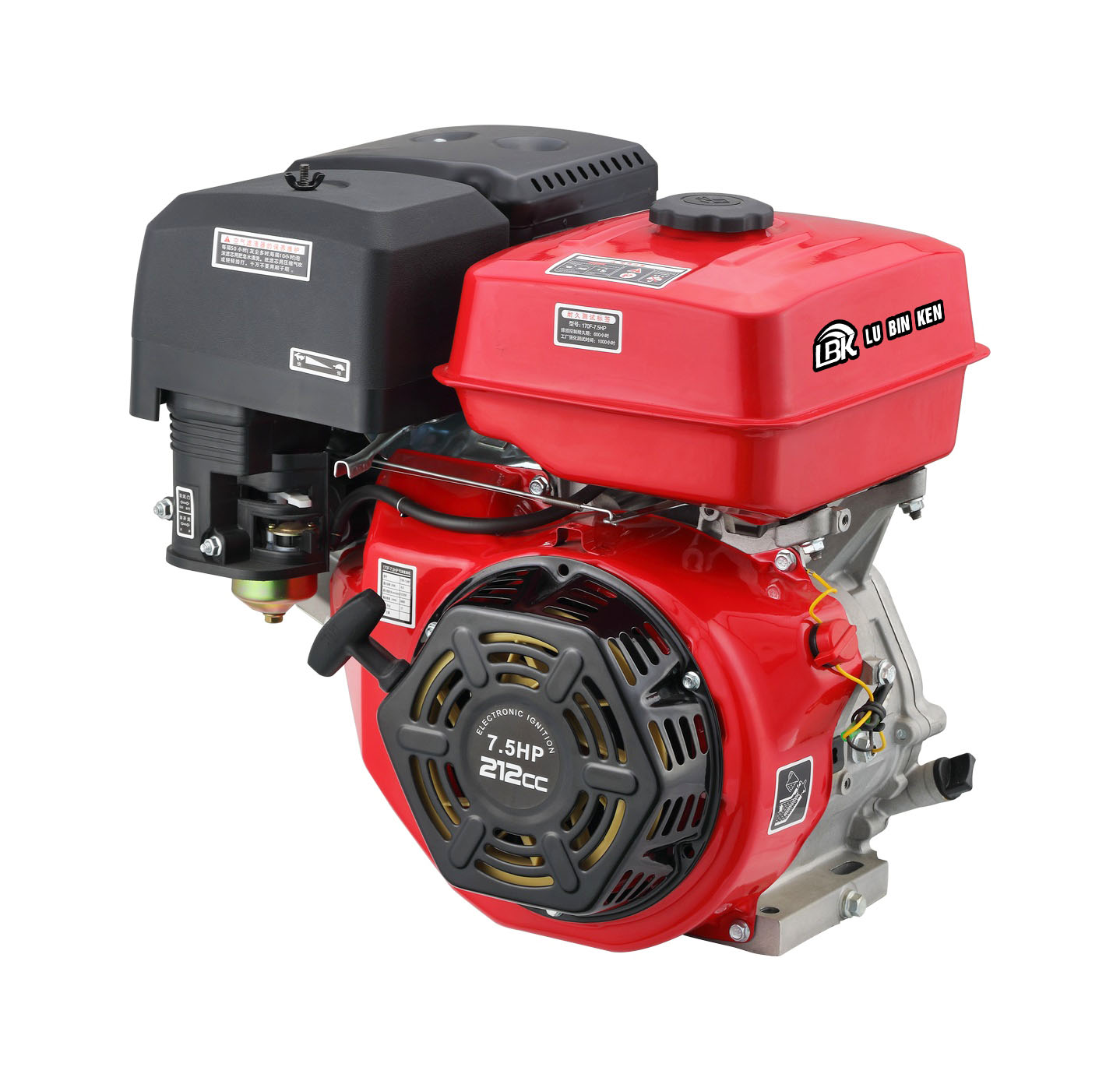
Small engines clog. Fuel gums up the carburetor. The pull cord gets hard to yank. A petrol pressure washer from a reputable brand starts easier. Honda and Briggs & Stratton lead here. Clone engines cost less but fail sooner.
If you use the washer monthly, pay for a good engine. If you use it twice a year, a clone engine might be fine.
Pump material affects longevity
The pump pushes water at high pressure. It is the hardest-working part. A petrol pressure washer with an aluminum pump costs less. A brass pump lasts longer. Ceramic plungers are good.
Here is what pump materials tell you:
The engine starts but will not stay running
Cheap carburetors clog. The petrol pressure washer runs for 30 seconds then dies. You clean the carb. It runs again. Then it dies. The problem comes back. Good carburetors have fuel shut-off valves. You drain the carb after each use. No gumming.
The pump leaks water from the seals
The pump has seals. Cheap seals leak. Water drips from the petrol pressure washer when the engine is off. Air gets into the pump. Priming becomes hard. Pressure drops.
Better pumps use replaceable seal kits. You do not throw away the whole pump when one seal fails.
The wand and hose connections crack from vibration
The engine vibrates. The pump vibrates. Connections loosen. Cracks form. A petrol pressure washer with brass hose connectors lasts longer than one with plastic. Brass does not crack. Plastic does.
A petrol pressure washer is louder than electric. It needs fuel. It needs oil changes. It needs a pull cord. But it works where electric cannot. For farms, construction sites, and big driveways, there is no substitute.
Buy one with a good engine. Honda or Briggs. Get a brass pump if you can. Brass fittings on the hoses. Drain the fuel after each use. Change the oil as scheduled. Do those things, and a petrol pressure washer lasts for years. Skip them, and it becomes a boat anchor. Spend the money upfront. Your cleaning jobs will go faster. Your frustration will be lower. Worth it.



 No. 532 Xin Street, Xinqiao Town, Luqiao District, Taizhou City, Zhejiang Province
 [email protected]
 +86-13656559509
Copyright © Taizhou Lubin Electromechanical Co., Ltd. All Rights Reserved.



 EN
EN English
 русский
 عربى
عربى