
The Engine and the Pump End
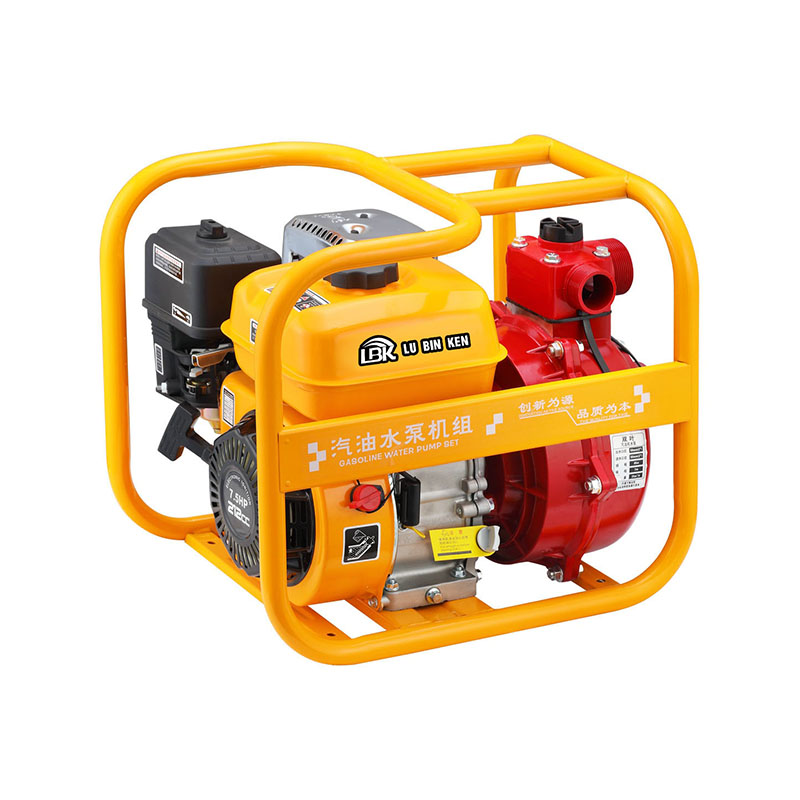
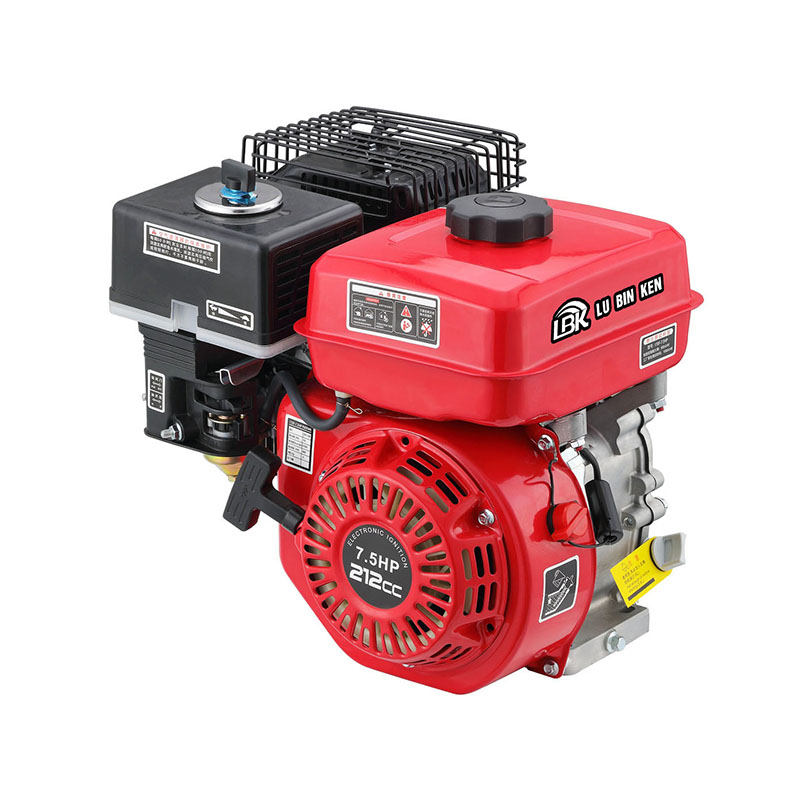
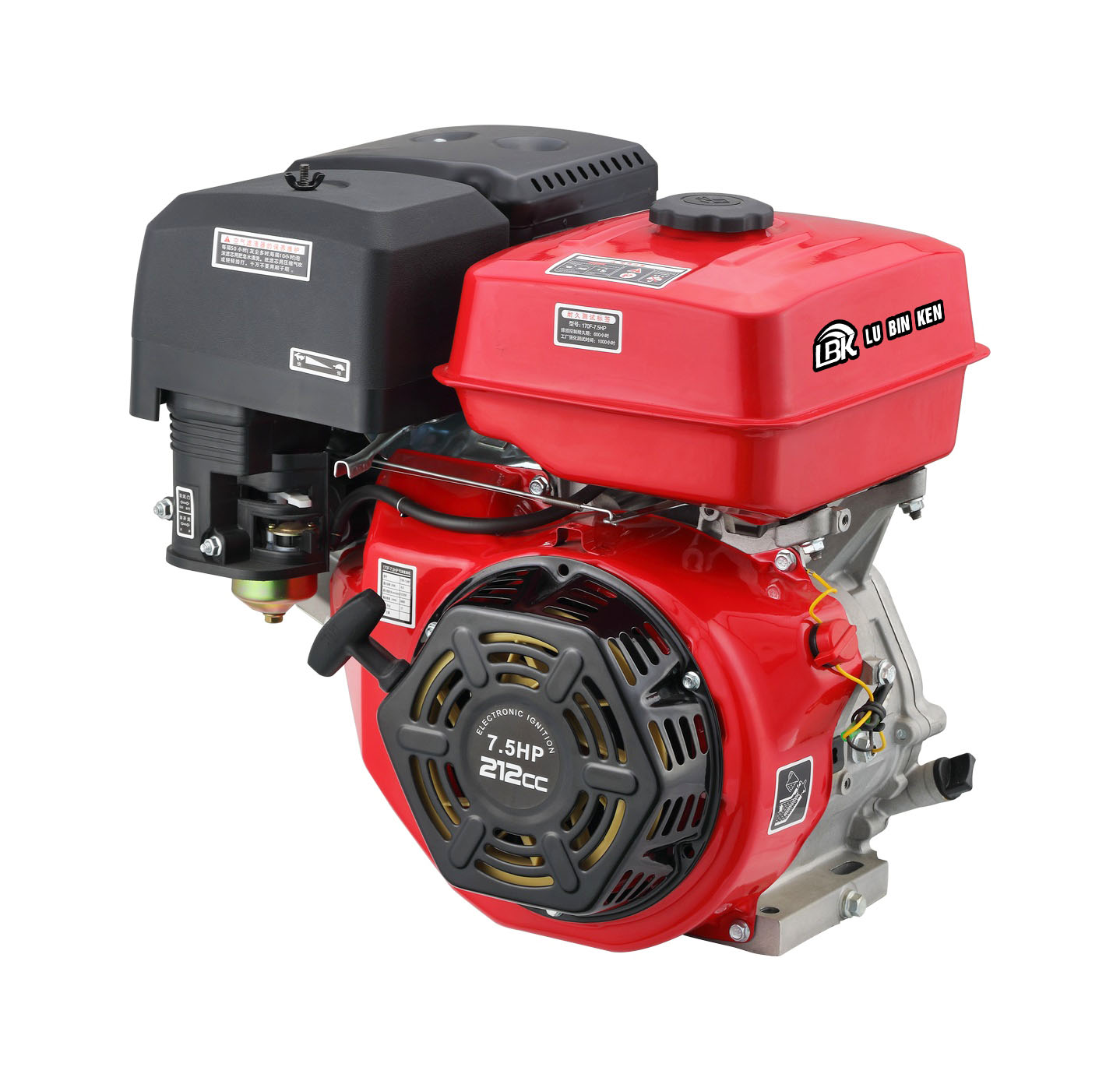
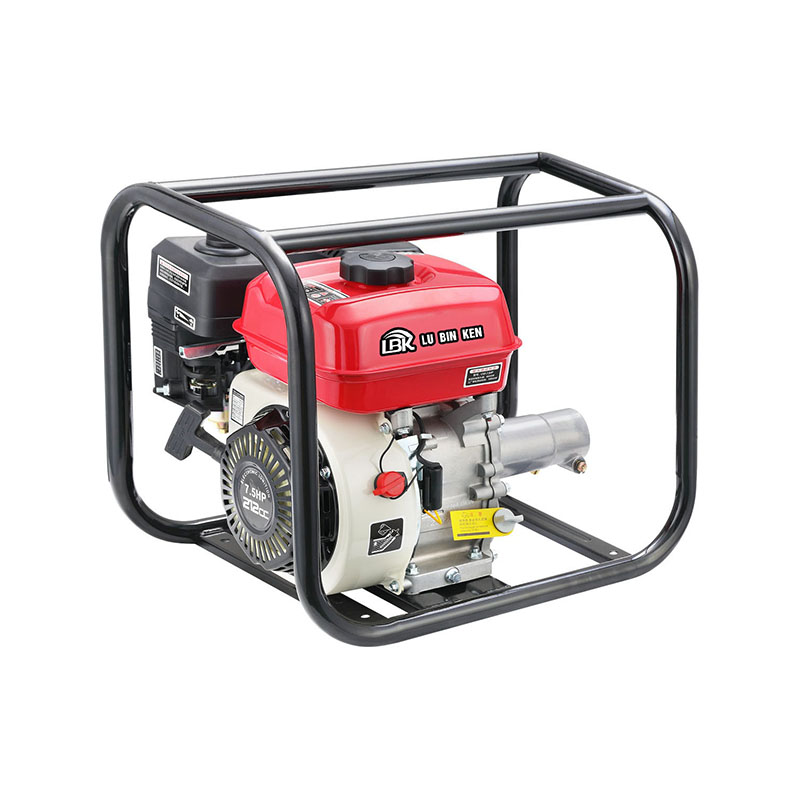
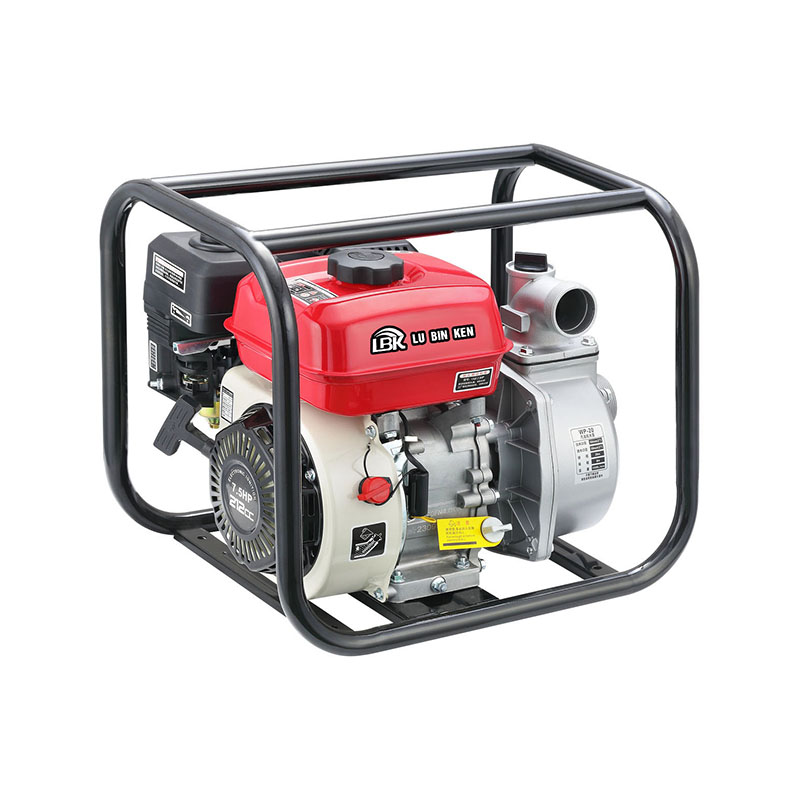
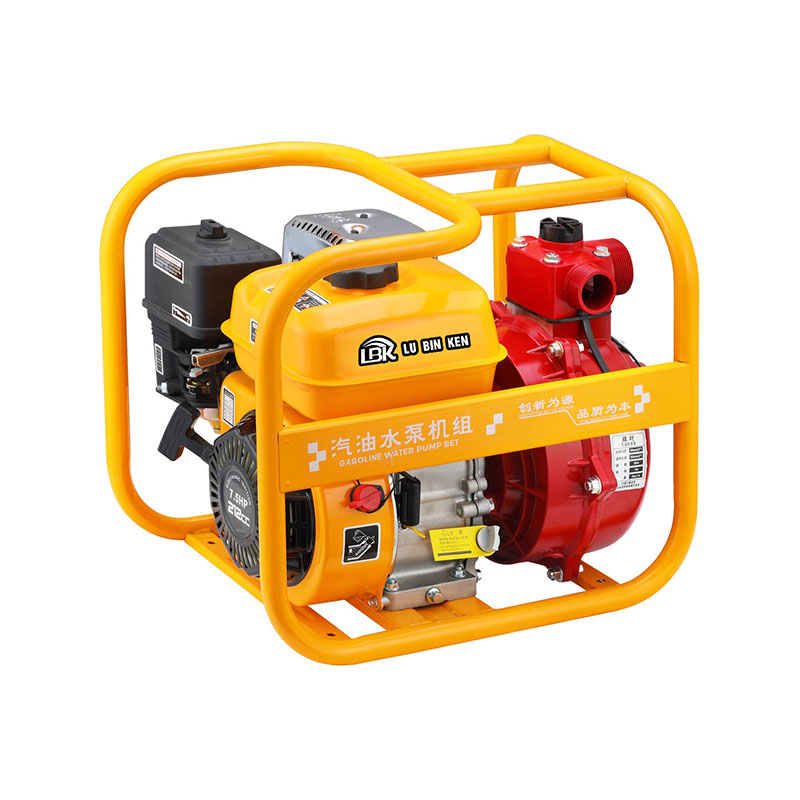
The engine is a single-cylinder four-stroke gasoline unit, air-cooled, with a pull start. It drives an impeller inside a cast aluminum or cast iron pump housing. The impeller spins, creating suction at the inlet and pressure at the outlet. A wholesale petrol water pump with a cast iron pump end handles dirty water, sand, and small solids. An aluminum pump end is lighter and cheaper, suited to clean water transfer.
Engine size matches pump capacity. A one-inch pump runs on a two to three horsepower engine. A three-inch pump needs six to eight horsepower. A wholesale petrol water pump supplier sizes the engine to the pump so the unit hits its rated flow without lugging or overspeeding. An underpowered engine stalls under load. An oversized engine wastes fuel and adds weight.
The mechanical seal between the engine and the pump is the critical component. It keeps water out of the crankcase and oil out of the water. A wholesale petrol water pump with a silicon carbide seal handles the heat of dry running better than a standard carbon seal. The pump that runs dry for two minutes while the operator moves the suction hose is the pump that comes back from the field still running.
Suction, Head, and the Numbers That Matter
The flow rate on the box is the big at zero head. The real number is lower. Every meter of vertical lift reduces flow. Every meter of discharge hose adds friction. A wholesale petrol water pump with a published pump curve lets the buyer estimate actual output at the required head.
Suction lift is the pump's ability to pull water up from below. Many petrol pumps lift water four to seven meters on the suction side. The theoretical limit is about ten meters at sea level. A wholesale petrol water pump that loses prime because the suction hose has a tiny air leak frustrates the operator. The suction hose has to be reinforced so it does not collapse under vacuum.
Total head is the combination of suction lift and discharge height. The pump that can push water thirty meters up a hillside is a different machine from the one that just moves water across a flat field. A wholesale petrol water pump marked with its big head and its flow at that head gives the buyer honest numbers.
Where the Pumps Do Their Work
Irrigation on small farms and market gardens uses one-inch and two-inch petrol pumps to move water from canals, ponds, and shallow wells. The pump sits on the bank, pulls water through a strainer, and pushes it through sprinklers or flood irrigation. A wholesale petrol water pump in this market runs for hours at a stretch, every day of the growing season.
Construction dewatering uses two-inch and three-inch pumps to pull groundwater and rainwater out of trenches and foundations. The water is muddy. The pump has to handle silt without clogging and keep running when the suction strainer occasionally gulps air. A wholesale petrol water pump with a cast iron impeller and a self-priming design survives this work.
Flood response and emergency services use petrol pumps when the power is out and the water is rising. The pump starts with a pull cord, runs on whatever fuel is available, and moves water until the job is done. A wholesale petrol water pump in this role has to start on the first or second pull after sitting in storage for months.
What the Buyer Needs to Check
The pump frame is the first thing to look at. A wholesale petrol water pump mounted on a flimsy steel frame rattles apart on the back of a truck. A welded frame with rubber feet and a lifting handle survives transport.
The fuel tank capacity determines runtime. A three-liter tank runs a two-inch pump for about two hours at rated load. A wholesale petrol water pump with a larger tank runs longer between refills, which matters for irrigation and dewatering.
The air filter matters in dusty conditions. A pump running on a farm or a construction site pulls dust into the engine. A wholesale petrol water pump with a quality air filter and an accessible service point keeps the engine running through the season. A foam filter that can be washed and re-oiled is the standard.
Here is what a wholesale petrol water pump needs to deliver:
The Spare Parts Question
A petrol water pump is a machine that runs hard and eventually needs parts. Impellers, mechanical seals, gaskets, and carburetor kits are the common items. A wholesale petrol water pump supplier that stocks these parts and ships them with the order turns a one-time sale into a long-term supply relationship.
The buyer who sources pumps without thinking about spares learns the lesson when the first mechanical seal fails and the customer cannot get a replacement. The pump sits idle. The customer remembers. The next order goes to a different supplier.
A wholesale petrol water pump is not complicated. An engine. An impeller. A seal. A frame. But it runs in the dirt, the mud, and the rain, far from a service center. The supplier who specs the engine to the pump, builds the frame to survive, and stocks the spares wins the repeat order. The pump moves the water. That is the job. That is what the buyer is really paying for.



 No. 532 Xin Street, Xinqiao Town, Luqiao District, Taizhou City, Zhejiang Province
 [email protected]
 +86-13656559509
Copyright © Taizhou Lubin Electromechanical Co., Ltd. All Rights Reserved.



 EN
EN English
 русский
 عربى
عربى