
A mini tiller works a garden bed, turns a greenhouse plot, or weeds a row of vegetables. The engine that drives it is small, air-cooled, and runs on gasoline. It has to start on the first or second pull, run for hours under load, and survive the dirt, dust, and vibration of working close to the ground. A mini tiller engine factory builds these engines for tiller manufacturers and garden equipment brands. The engine is not a generic small motor. It is matched to the work of turning soil.
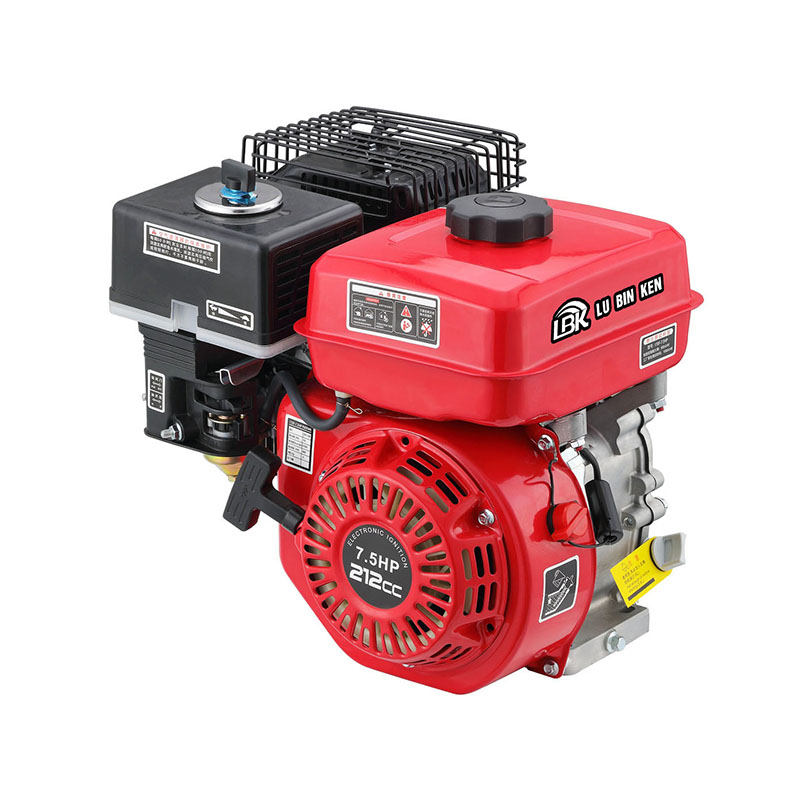
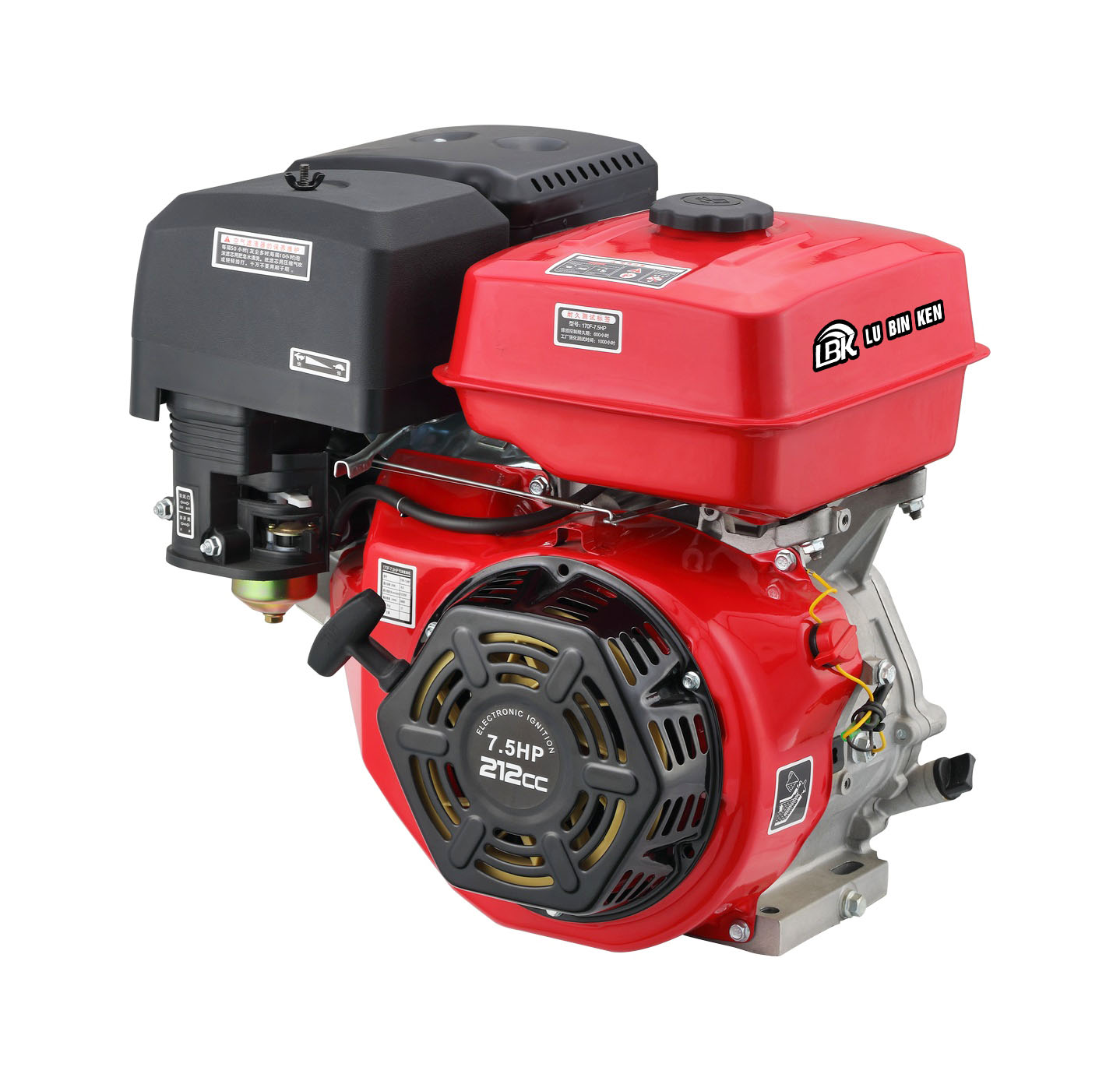
Many mini tiller engines are single-cylinder, four-stroke, air-cooled units between 30 and 60 cubic centimeters of displacement. Power output runs from 1.5 to 4 horsepower. That is enough to spin the tines through loose garden soil without being so heavy that the tiller becomes hard to handle.
The engine has to run at a governed speed. The governor opens the throttle when the tines bite into hard soil and closes it when the load drops. A mini tiller engine factory sets the governor so the engine holds a steady speed through changing soil conditions. An engine that bogs down in hard ground stops the work.
Air cooling is the standard. The flywheel fan pulls air across the cylinder fins. No radiator. No coolant to check. A mini tiller engine factory designs the cooling fins and the fan shroud so the engine stays cool even when the tiller works in a sheltered greenhouse with no breeze.
Dirt is the enemy. The engine sits low on the tiller frame, close to the ground. Dust and grit from the tines fly up into the air intake. A mini tiller engine factory fits a quality air filter, usually a foam element that can be washed and re-oiled. The filter catches the dust before it reaches the cylinder.
The pull starter is the user interface. It has to engage smoothly and retract fully after every pull. A mini tiller engine factory that uses quality recoil springs and a properly machined starter cup builds an engine that starts without the cord hanging loose or snapping back.
The fuel system is simple: a carburetor, a fuel tank, and a shutoff valve. The carburetor has to hold its tune through vibration and temperature changes. A mini tiller engine factory uses a carburetor with an adjustable mixture or a sealed factory-set unit that does not drift.
Four-stroke engines run on gasoline and carry oil in a separate crankcase. The operator has to check the oil level. A mini tiller engine factory builds in a low-oil shutdown sensor that cuts the engine before it seizes when the oil runs low.
The fuel tank capacity determines runtime. A half-liter tank runs a small tiller for an hour or more, depending on the load. A mini tiller engine factory sizes the tank so the operator can finish the bed without a mid-job refill.
Ethanol-blended fuel is a problem for small engines. It absorbs water and gums the carburetor when the engine sits. A mini tiller engine factory designs the fuel system to tolerate ethanol blends and includes a fuel shutoff valve so the operator can run the carburetor dry before storage.
Here is what a mini tiller engine factory needs to deliver:
Home garden tillers use engines at the smaller end of the range. The tiller weighs 15 to 30 kilos and works flower beds and vegetable plots. The engine has to start easily for a homeowner who uses it once a week.
Professional landscapers run tillers with engines at the larger end. The tiller works all day, in different soils, for different clients. A mini tiller engine factory supplying the professional market builds for continuous duty and easy service access.
Greenhouse and nursery operations use small tillers in confined spaces. The engine has to run clean without excessive exhaust, because the operator is working in an enclosed area. A mini tiller engine factory that tunes the engine for clean idle and steady throttle response serves this market.
The carburetor gums up because fuel was left in it over the winter. The engine will not start in the spring. A mini tiller engine factory that includes a fuel shutoff valve and clear storage instructions prevents this. The operator turns the valve, runs the engine dry, and the carburetor is clean for next season.
The air filter clogs and the engine runs rich. A washable foam filter fixes this. The spark plug fouls from oil that seeped past the rings during storage. A mini tiller engine factory that builds with proper ring seating and break-in procedures reduces oil consumption.
A mini tiller engine factory builds the power source for a machine that turns the soil. The engine starts on the second pull. It holds speed through the hard spots. It keeps running through the dust. Choose a factory that specs the air filter for the dirt, the governor for the load, and the fuel system for the storage. The tiller does the work. The engine makes it possible. That is the job.



 No. 532 Xin Street, Xinqiao Town, Luqiao District, Taizhou City, Zhejiang Province
 [email protected]
 +86-13656559509
Copyright © Taizhou Lubin Electromechanical Co., Ltd. All Rights Reserved.



 EN
EN English
 русский
 عربى
عربى