
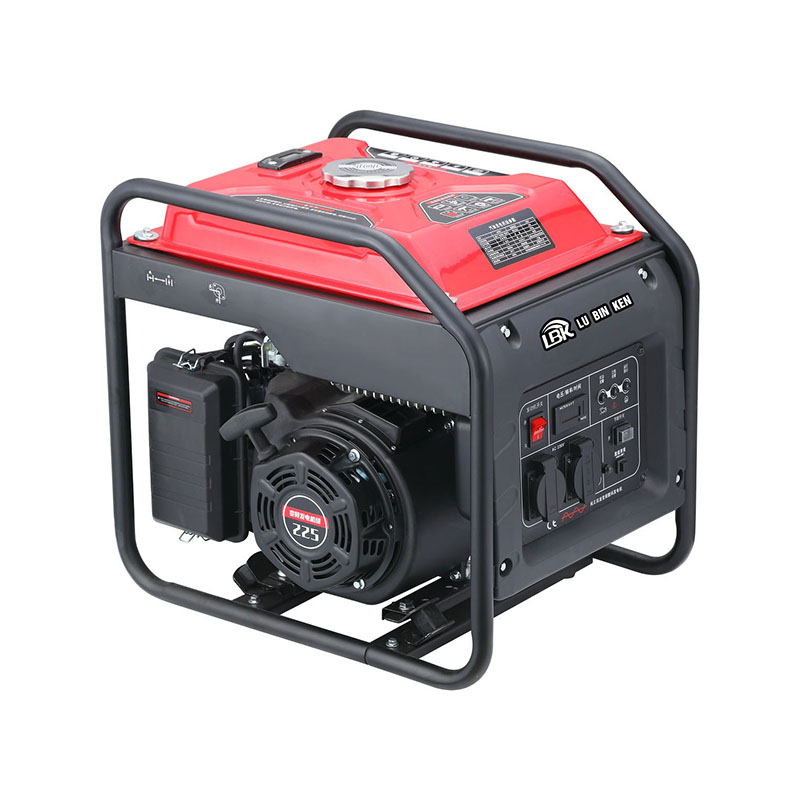
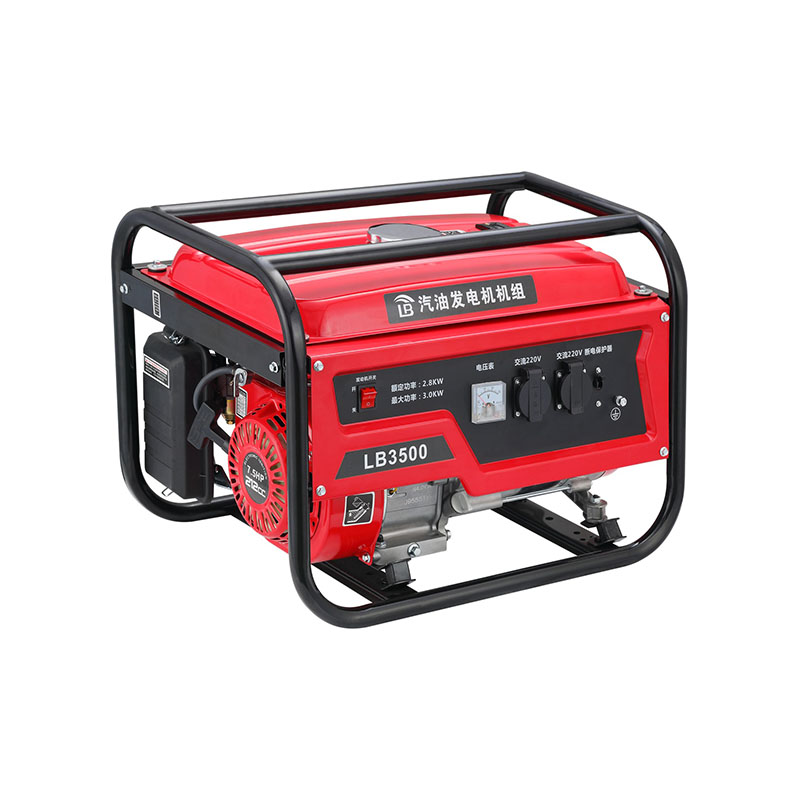
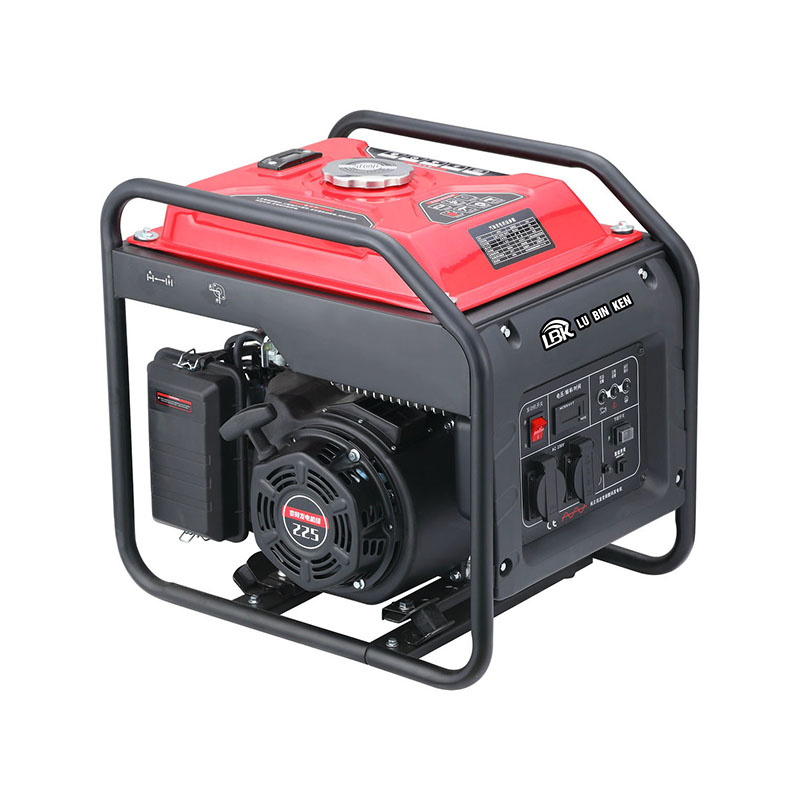
A generator turns fuel into electricity. An inverter generator turns that electricity into clean, stable power that a computer can use. A copper-wound inverter generator goes one step further: the windings inside the alternator are copper instead of aluminum. Copper carries current better, runs cooler, and resists the corrosion that eats aluminum windings in humid environments. For tailgating, job sites, and home backup, the inverter generator is the quiet, efficient option. The copper windings are the upgrade that makes it last.
The alternator inside the generator has windings, coils of wire that convert the magnetic field into electrical current. Most budget generators use aluminum wire. Aluminum is lighter and cheaper, but it has higher resistance. That resistance turns into heat. Heat degrades the insulation and shortens the alternator life.
Copper has lower resistance. A copper-wound inverter generator runs cooler at the same output. The lower resistance also means better voltage regulation under changing load. When the refrigerator kicks on, the voltage drops less with copper than with aluminum.
The connections are the other weak point. Aluminum windings are prone to corrosion at the connection points, especially in damp conditions. Copper resists that corrosion. A copper-wound inverter generator holds its connections longer.
Here is what the copper winding changes in real use:
A standard generator produces raw AC power that varies with the engine speed. The voltage and frequency swing as the load changes. That is fine for a work light but not for a laptop or a phone charger.
An inverter generator rectifies the raw AC to DC, then inverts it back to clean AC. The output is stable, with low total harmonic distortion. A copper-wound inverter generator produces power clean enough for sensitive electronics.
The inverter also lets the engine run at variable speed. At light load, the engine slows down. Under heavy load, it speeds up. A copper-wound inverter generator sips fuel at idle and delivers full power when needed. The result is longer runtime per tank and less noise.
Inverter generators are quieter than standard generators because the engine runs at lower speed under light load. The enclosure is designed to muffle the sound. A copper-wound inverter generator in a properly baffled enclosure runs at conversation level from a few meters away.
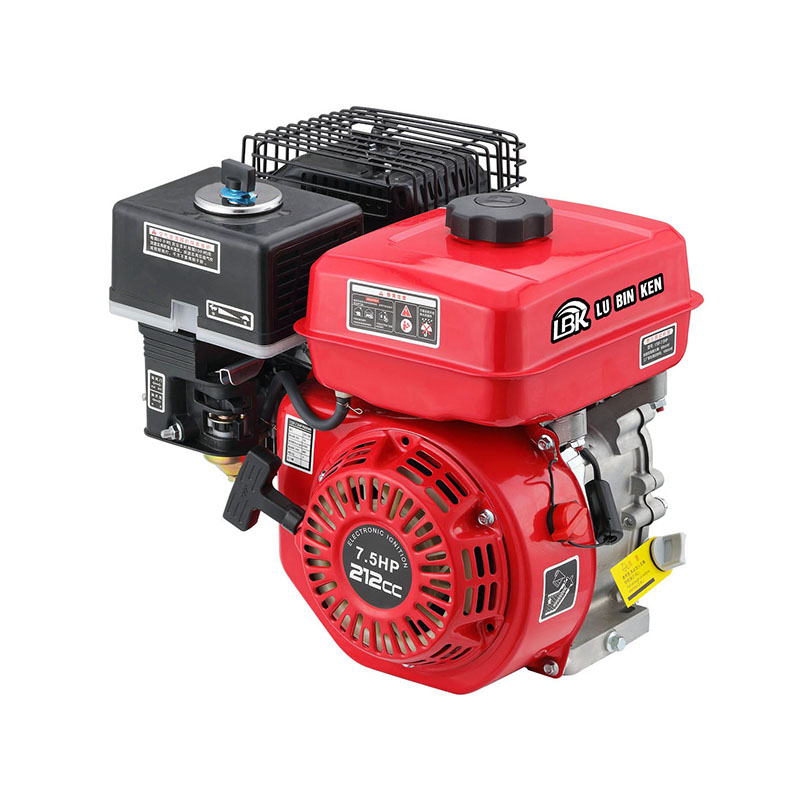
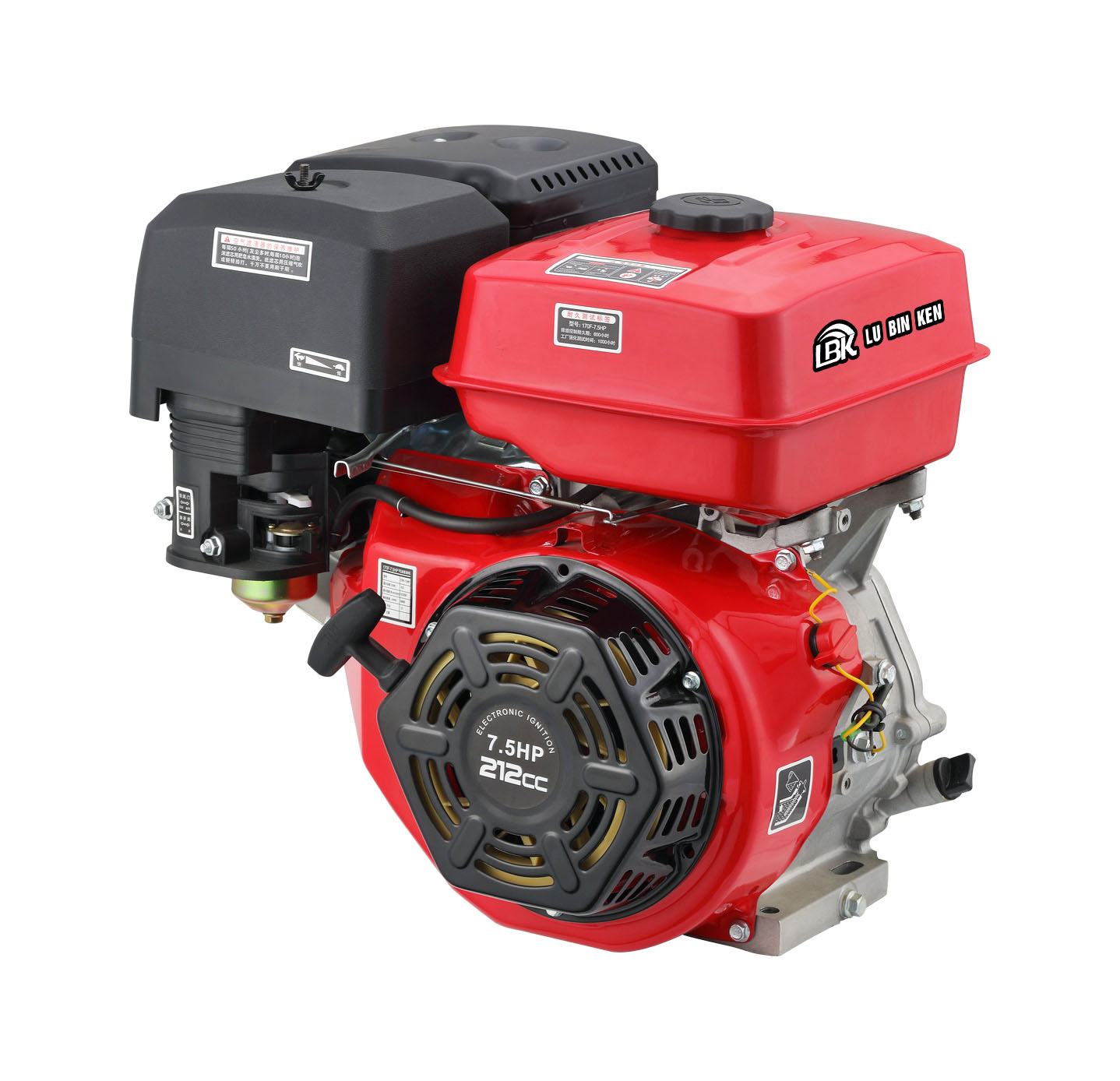
The engine is a four-stroke gasoline unit, air-cooled. The fuel tank capacity determines the runtime. A copper-wound inverter generator with an economy mode stretches the runtime further by reducing engine speed when the load is light.
The starting system is either recoil or electric. Recoil is simple and reliable. Electric start adds convenience. A copper-wound inverter generator with a recoil start and a backup pull cord keeps working even if the battery is dead.
The copper winding and the inverter electronics add cost over a standard generator. The buyer who runs the generator hard, in humid conditions, for years, gets the cost back in service life. The contractor running tool chargers every day. The homeowner in a coastal town. The camp host who runs the generator all summer. These users see the difference.
The buyer who needs the generator for one weekend a year can buy the cheaper unit. It will work. For those who depend on it, the copper is the choice. The power comes out clean, the generator runs quiet, and it comes back next season. That is the point.



 No. 532 Xin Street, Xinqiao Town, Luqiao District, Taizhou City, Zhejiang Province
 [email protected]
 +86-13656559509
Copyright © Taizhou Lubin Electromechanical Co., Ltd. All Rights Reserved.



 EN
 English
 русский
 عربى