
A field needs irrigation. A trench fills with groundwater. A basement floods after a storm. None of those places has a convenient outlet. A wholesale petrol water pump solves the problem by carrying its own power source. It runs on gasoline, starts with a pull cord, and moves water through hoses to wherever it needs to go. For agricultural suppliers, construction equipment dealers, and rural hardware wholesalers, the petrol water pump is a volume product with steady year-round demand. The buyer sourcing these pumps in bulk needs to know what makes one pump outlast another in the field.
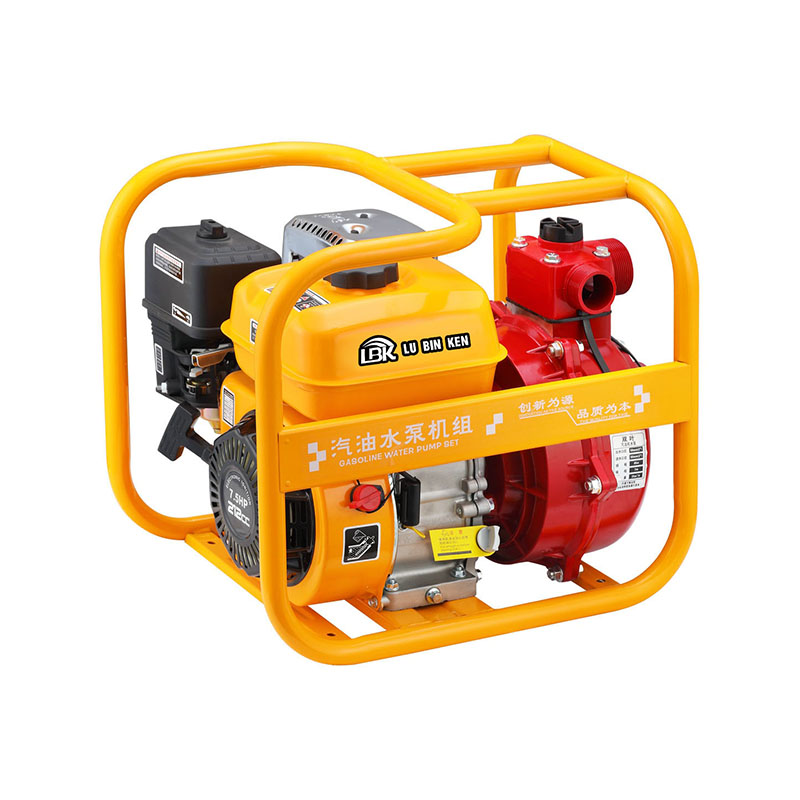
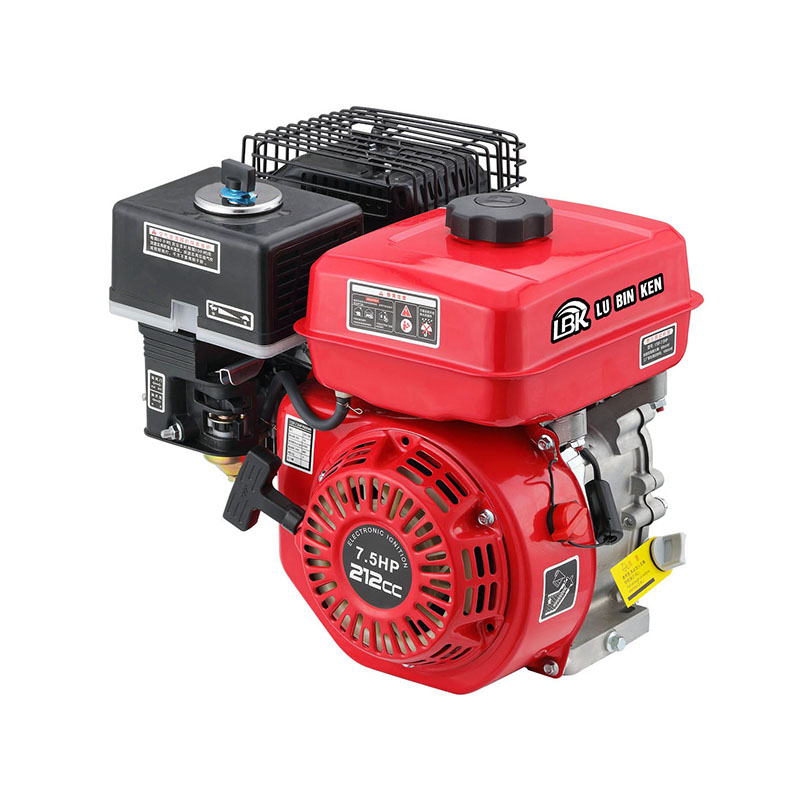
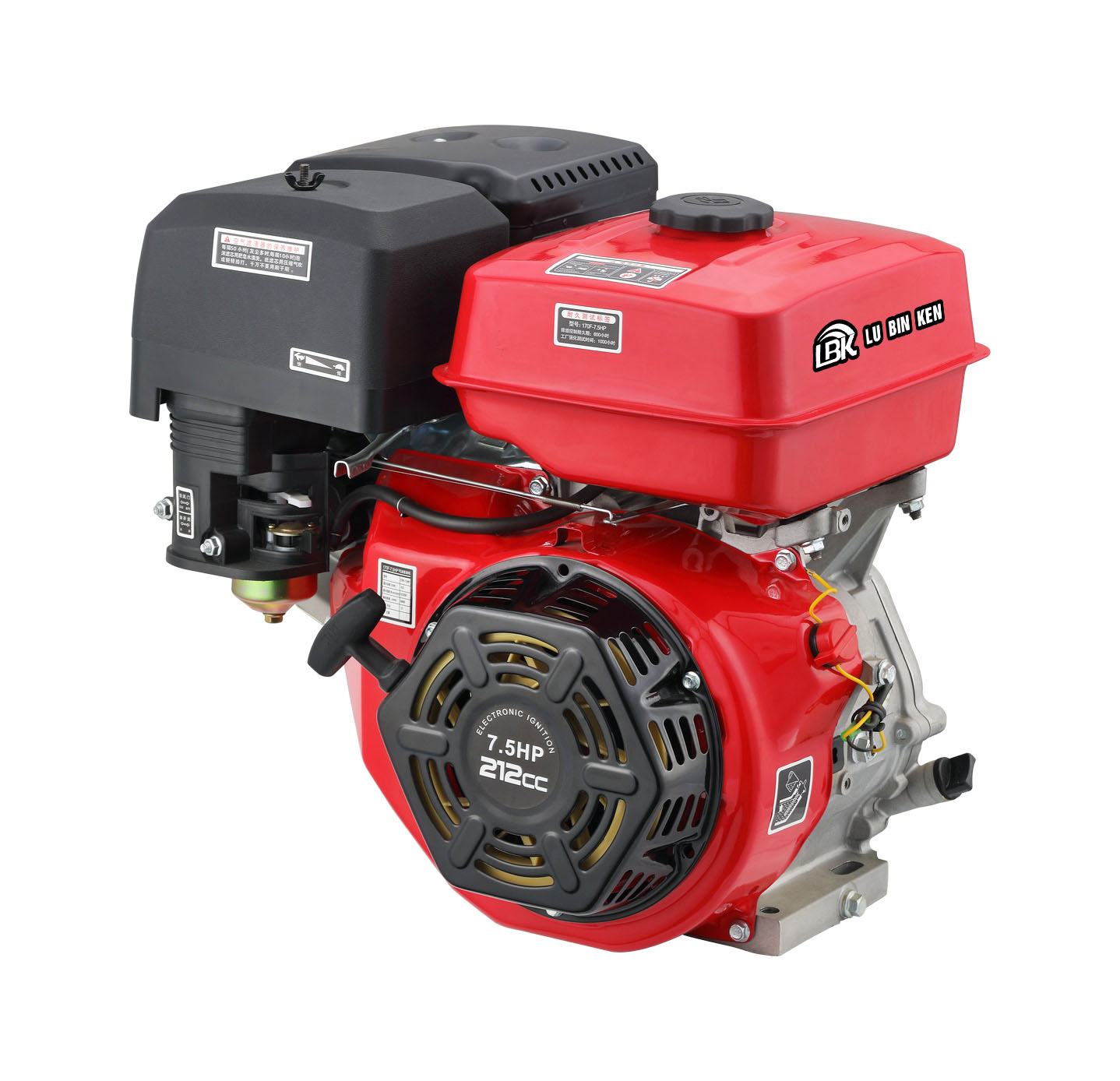
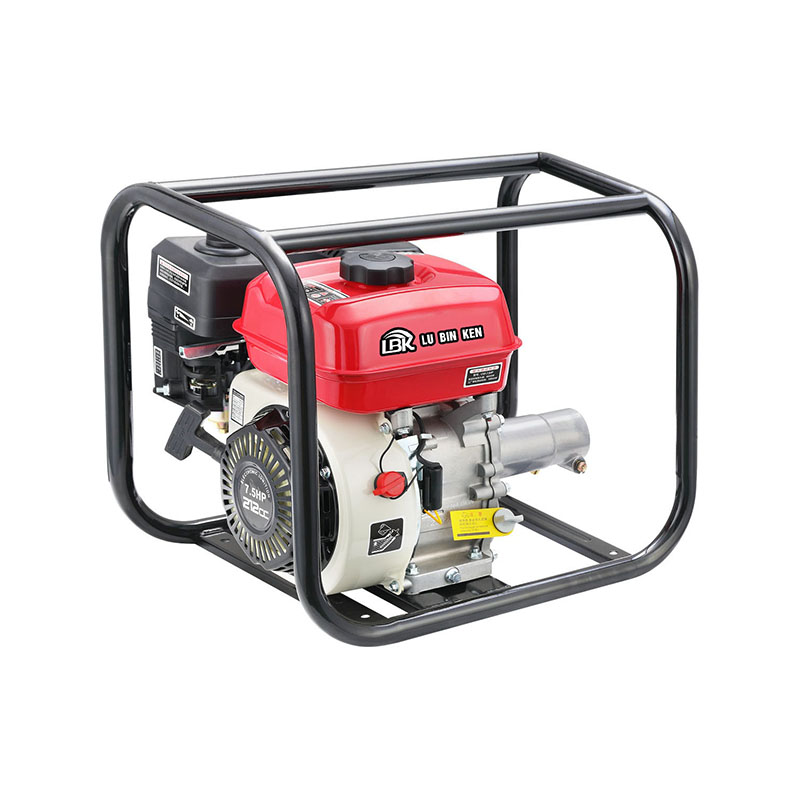
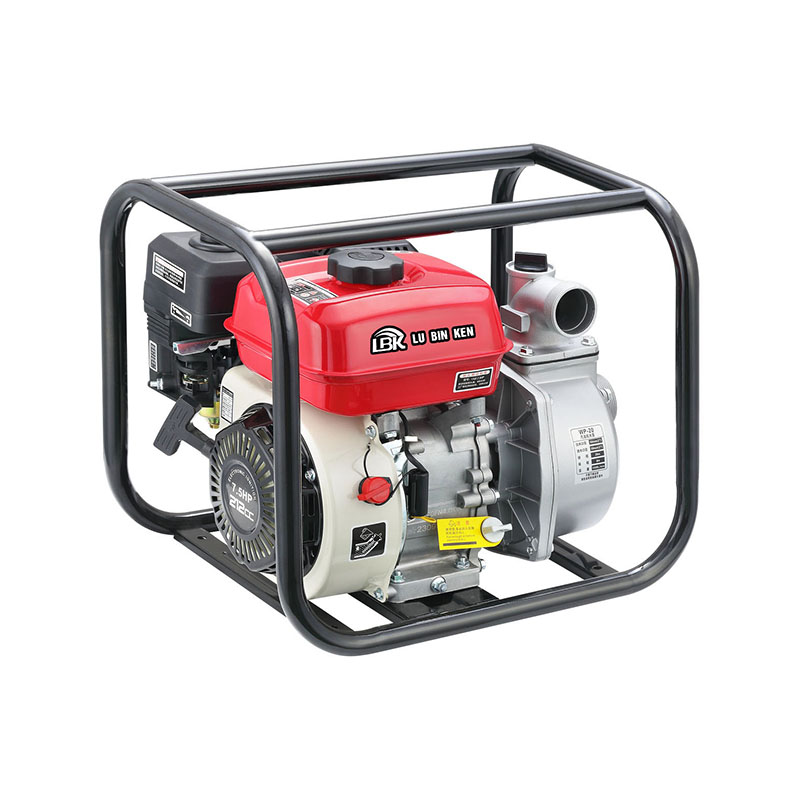
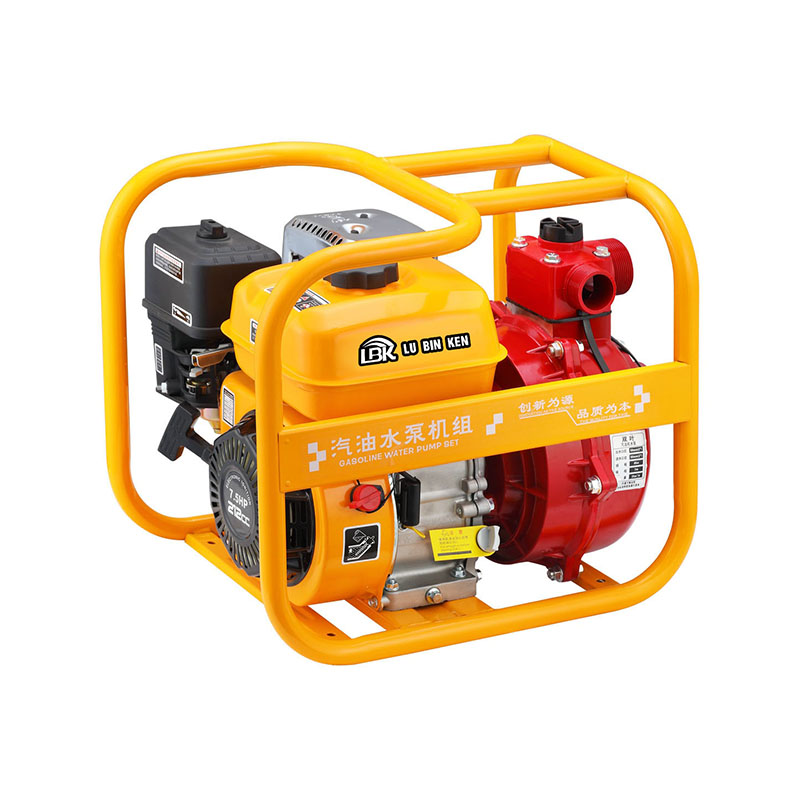
The engine is a single-cylinder four-stroke gasoline unit, air-cooled, with a pull start. It drives an impeller inside a cast aluminum or cast iron pump housing. The impeller spins, creating suction at the inlet and pressure at the outlet. A wholesale petrol water pump with a cast iron pump end handles dirty water, sand, and small solids. An aluminum pump end is lighter and cheaper, suited to clean water transfer.
Engine size matches pump capacity. A one-inch pump runs on a two to three horsepower engine. A three-inch pump needs six to eight horsepower. A wholesale petrol water pump supplier sizes the engine to the pump so the unit hits its rated flow without lugging or overspeeding.
The mechanical seal between the engine and the pump is the critical component. It keeps water out of the crankcase and oil out of the water. A wholesale petrol water pump with a silicon carbide seal handles the heat of dry running better than a standard carbon seal.
The flow rate on the box is the maximum at zero head. The real number is lower. Every meter of vertical lift reduces flow. Every meter of discharge hose adds friction. A wholesale petrol water pump with a published pump curve lets the buyer estimate actual output at the required head.
Suction lift is the pump's ability to pull water up from below. Most petrol pumps lift water four to seven meters on the suction side. A wholesale petrol water pump that loses prime because the suction hose has a tiny air leak frustrates the operator. The suction hose has to be reinforced so it does not collapse under vacuum.
Total head is the combination of suction lift and discharge height. The pump that can push water thirty meters up a hillside is a different machine from the one that just moves water across a flat field.
Irrigation on small farms and market gardens uses one-inch and two-inch petrol pumps to move water from canals, ponds, and shallow wells. A wholesale petrol water pump in this market runs for hours at a stretch, every day of the growing season.
Construction dewatering uses two-inch and three-inch pumps to pull groundwater and rainwater out of trenches. The water is muddy. The pump has to handle silt without clogging. A wholesale petrol water pump with a cast iron impeller and a self-priming design survives this work.
Flood response uses petrol pumps when the power is out and the water is rising. The pump starts with a pull cord, runs on whatever fuel is available, and moves water until the job is done.
Here is what a wholesale petrol water pump needs to deliver:
A petrol water pump is a machine that runs hard and eventually needs parts. Impellers, mechanical seals, gaskets, and carburetor kits are the common items. A wholesale petrol water pump supplier that stocks these parts and ships them with the order turns a one-time sale into a long-term supply relationship.
A wholesale petrol water pump is not complicated. An engine. An impeller. A seal. A frame. But it runs in the dirt, the mud, and the rain, far from a service center. The supplier who specs the engine to the pump, builds the frame to survive, and stocks the spares wins the repeat order.



 No. 532 Xin Street, Xinqiao Town, Luqiao District, Taizhou City, Zhejiang Province
 [email protected]
 +86-13656559509
Copyright © Taizhou Lubin Electromechanical Co., Ltd. All Rights Reserved.



 EN
 English
 русский
 عربى