
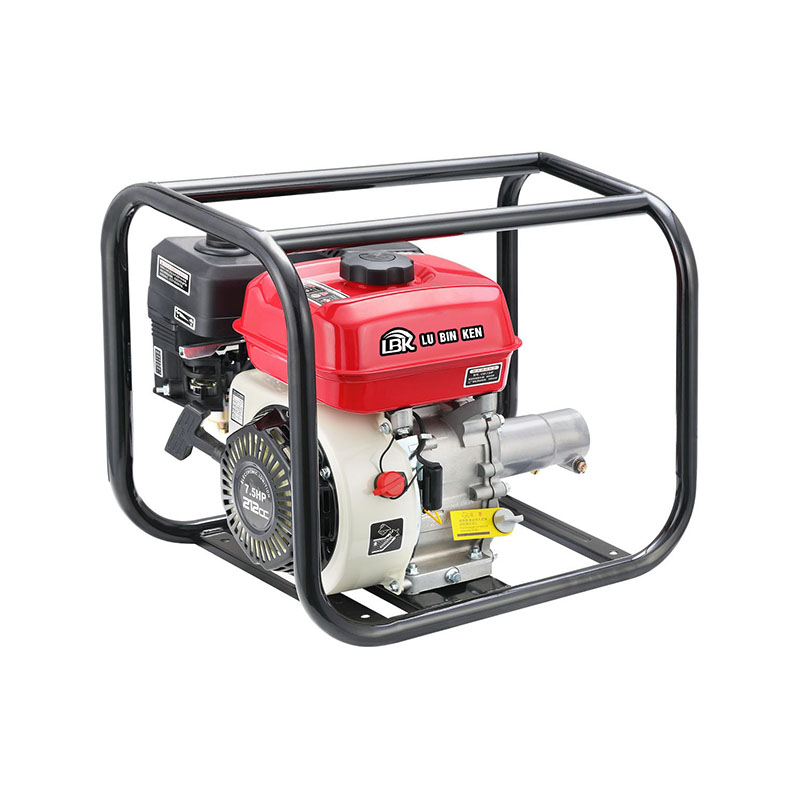
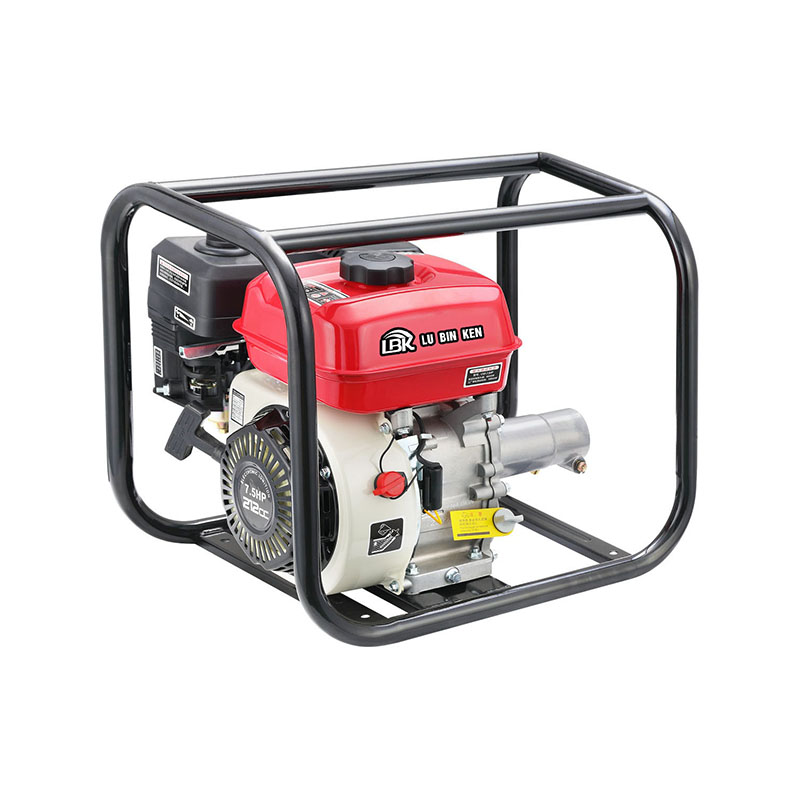
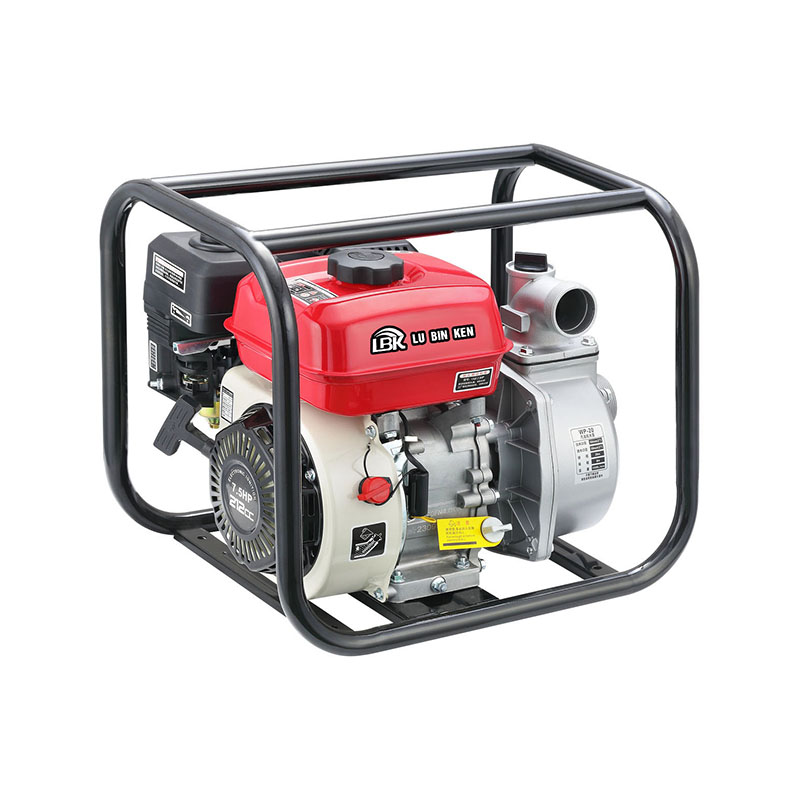
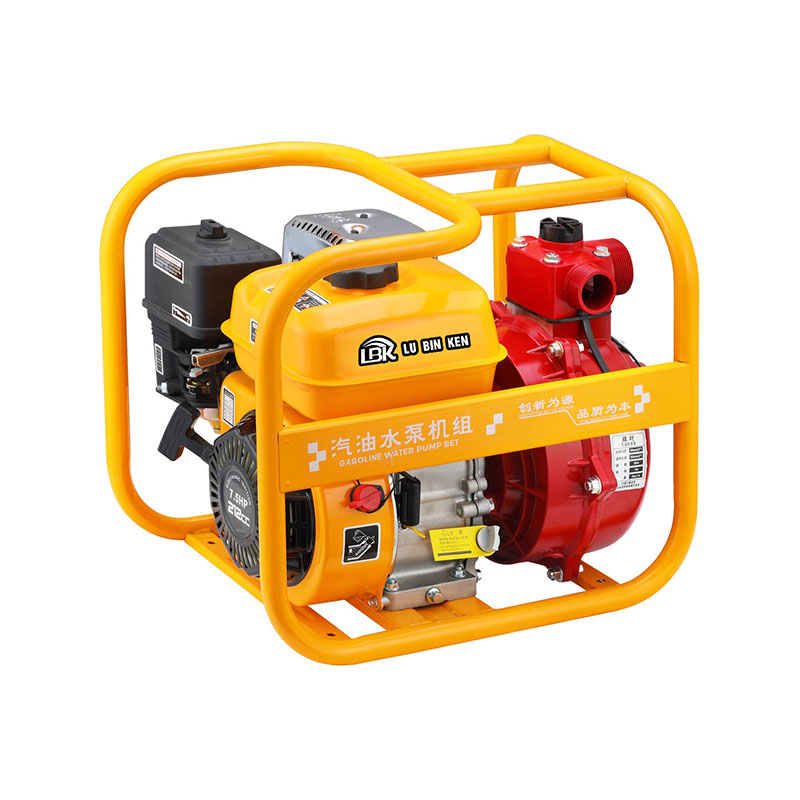
A water pump that uses water to cool itself has a problem. If the water runs dry, the pump seizes. A forced air-cooled gasoline water pump pulls air across the engine with a fan. It does not need a water jacket. It fires up with a pull cord, draws from a pond or a trench, and moves water until the fuel runs out. For construction dewatering, farm irrigation, and flood response, the air-cooled design trades a bit of efficiency for a lot of durability.
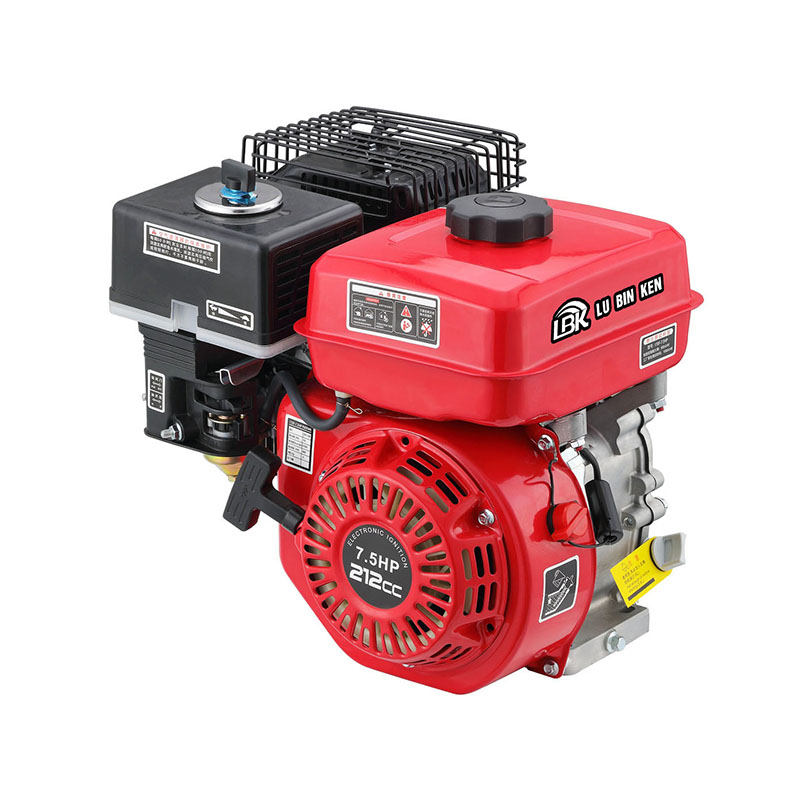
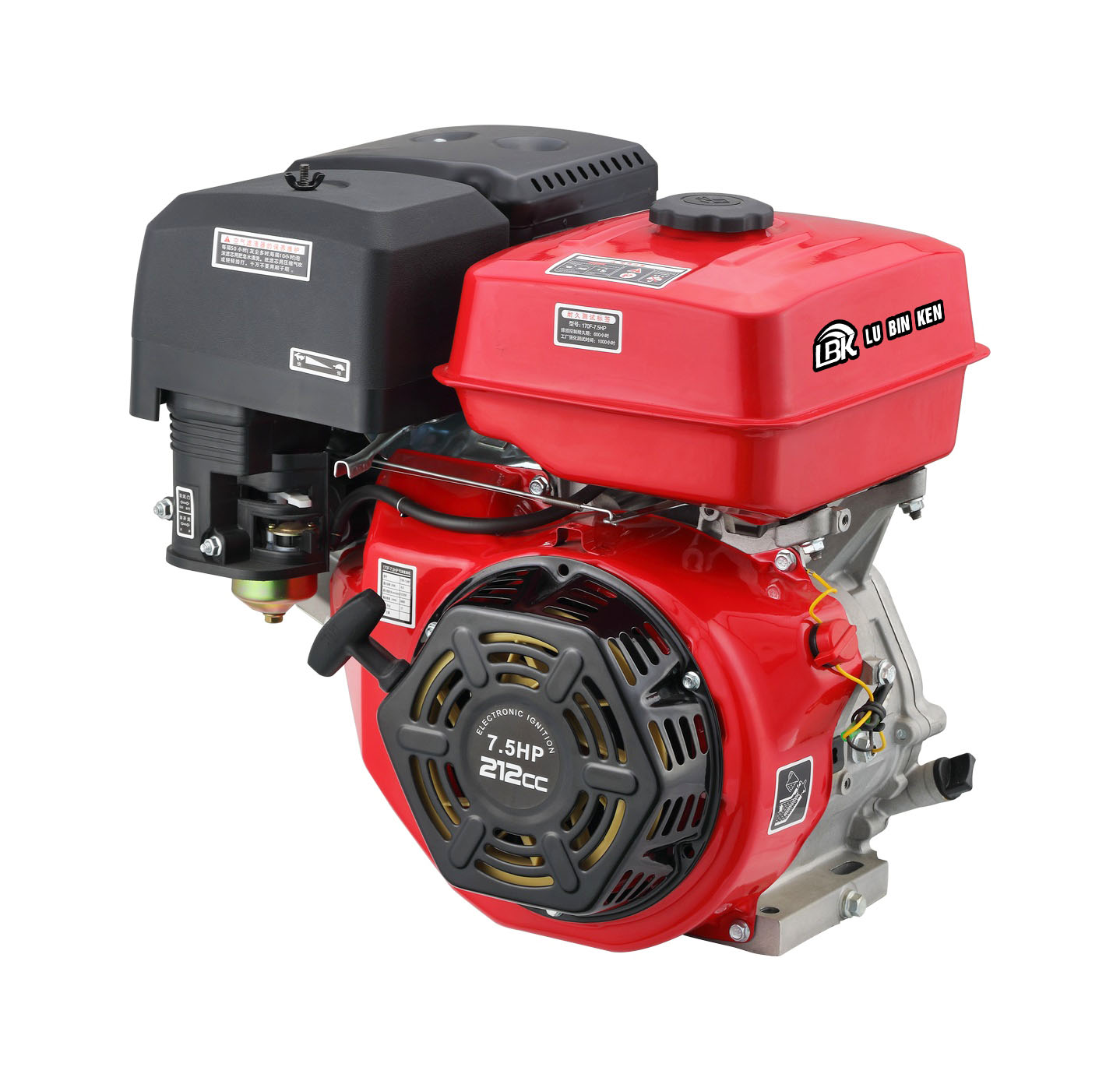
Fins cast into the cylinder block and head do the cooling. A flywheel fan pulls air across them. No coolant to check. No water jacket to freeze and crack in winter. A forced air-cooled gasoline water pump with a single-cylinder four-stroke engine runs on the same basic architecture as a lawn mower engine, matched to the pump's hydraulic load so it runs at governed speed without lugging or overspeeding.
A centrifugal impeller spins inside a volute casing, creating suction at the inlet and pressure at the discharge. Cast iron handles sandy water. Aluminum weighs less but wears faster. The mechanical seal between the engine shaft and the pump housing keeps water out of the crankcase. A forced air-cooled gasoline water pump with a silicon carbide seal survives the brief dry runs that destroy standard seals.
Self-priming design means the pump pulls its own water after the initial fill. A dry suction hose fills when the operator pours water into the priming chamber. After that, the pump holds prime as long as the suction hose stays submerged.
The pump keeps spinning when the water source runs low. The air-cooled engine stays cool. The mechanical seal gets hot but survives. A forced air-cooled gasoline water pump with a reinforced suction hose resists vacuum collapse. A hose not rated for vacuum flattens and chokes the flow.
Total dynamic head is the real-world number. Pumping uphill or through long hose runs reduces flow. A forced air-cooled gasoline water pump with a published pump curve lets the operator estimate actual output at the required head instead of trusting the rated big.
Here is what an air-cooled pump needs on the job:
Construction dewatering puts a pump in a muddy trench. The water is full of silt. The strainer clogs and the pump gulps air. A forced air-cooled gasoline water pump handles it without seizing. Farm irrigation pulls from ponds and canals where permanent infrastructure does not reach. Flood response needs pumps that start fast with a pull cord. No battery. No power outlet. Just fuel and a water source.
The carburetor gums up from old fuel left in storage. A fuel shutoff valve lets the operator run the carburetor dry before the pump sits for the season. The impeller wears down in sandy water. A replaceable wear plate takes the abrasion instead. Swapping a wear plate keeps the pump in service without replacing the impeller.
A forced air-cooled gasoline water pump runs on gas, cools itself with air, and moves water until the job is done. Choose a pump with a self-priming design, a mechanical seal that handles dry running, and an engine matched to the hydraulic load. The water will move. That is the point.



 No. 532 Xin Street, Xinqiao Town, Luqiao District, Taizhou City, Zhejiang Province
 [email protected]
 +86-13656559509
Copyright © Taizhou Lubin Electromechanical Co., Ltd. All Rights Reserved.



 EN
EN English
 русский
 عربى
عربى