
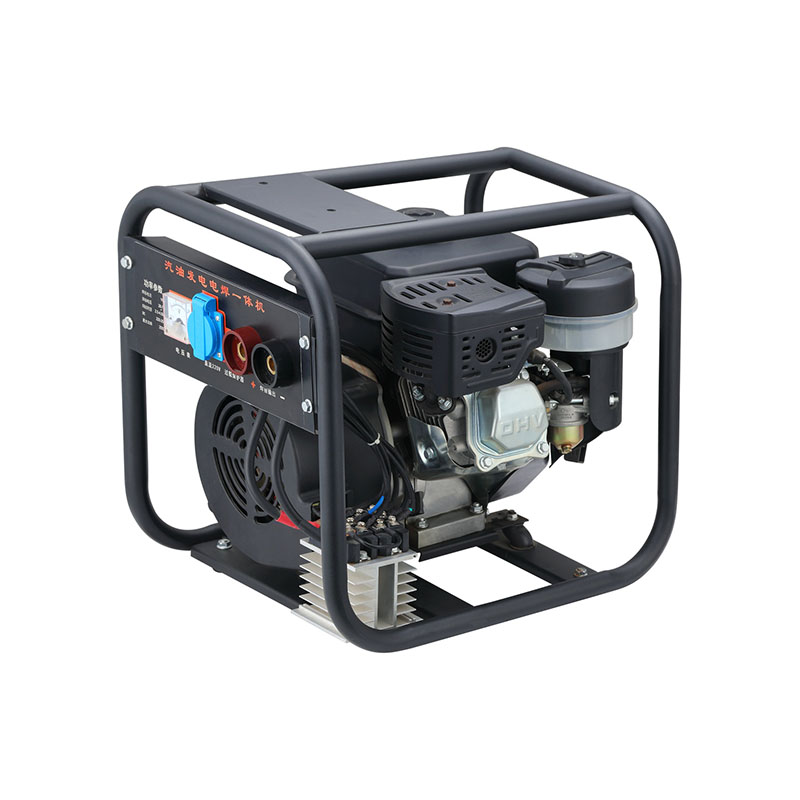
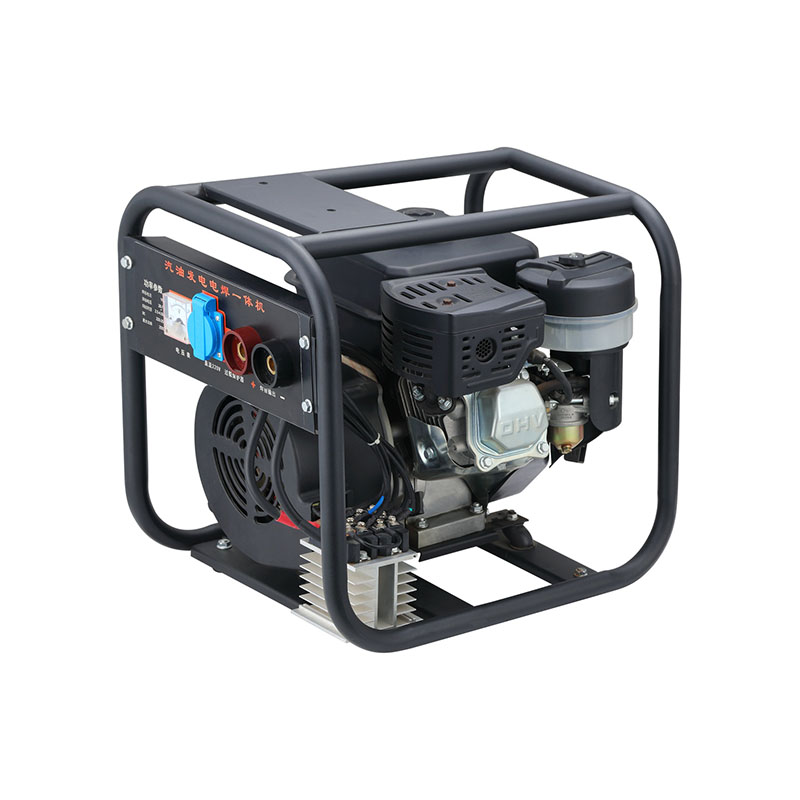
A welding shop has rows of outlets. A construction site, a farm field, or a remote pipeline has none. A gasoline-powered generator-welder combo solves that. It burns fuel to produce electricity, then channels that electricity into a welding arc. The same engine that powers the generator spins the welding alternator. The operator flips a switch, strikes an arc, and welds. Flip another switch and the machine becomes a portable power station running grinders, lights, or a trailer. For mobile repair crews, fence builders, and rural fabricators, the combo machine means showing up with one unit instead of a generator and a separate welder. Here is what equipment buyers, construction foremen, and farm operators need to know.
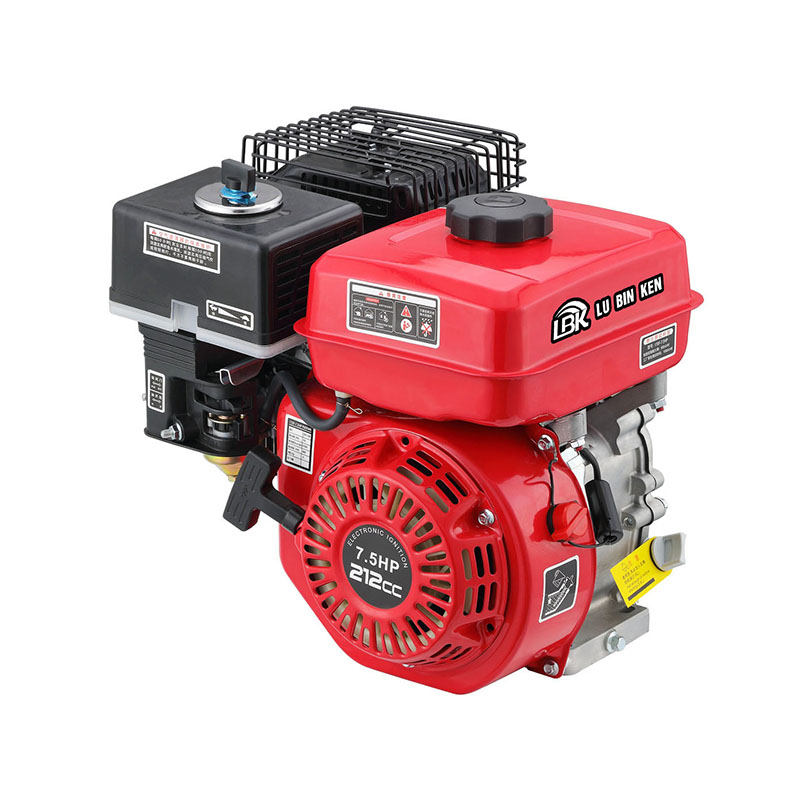
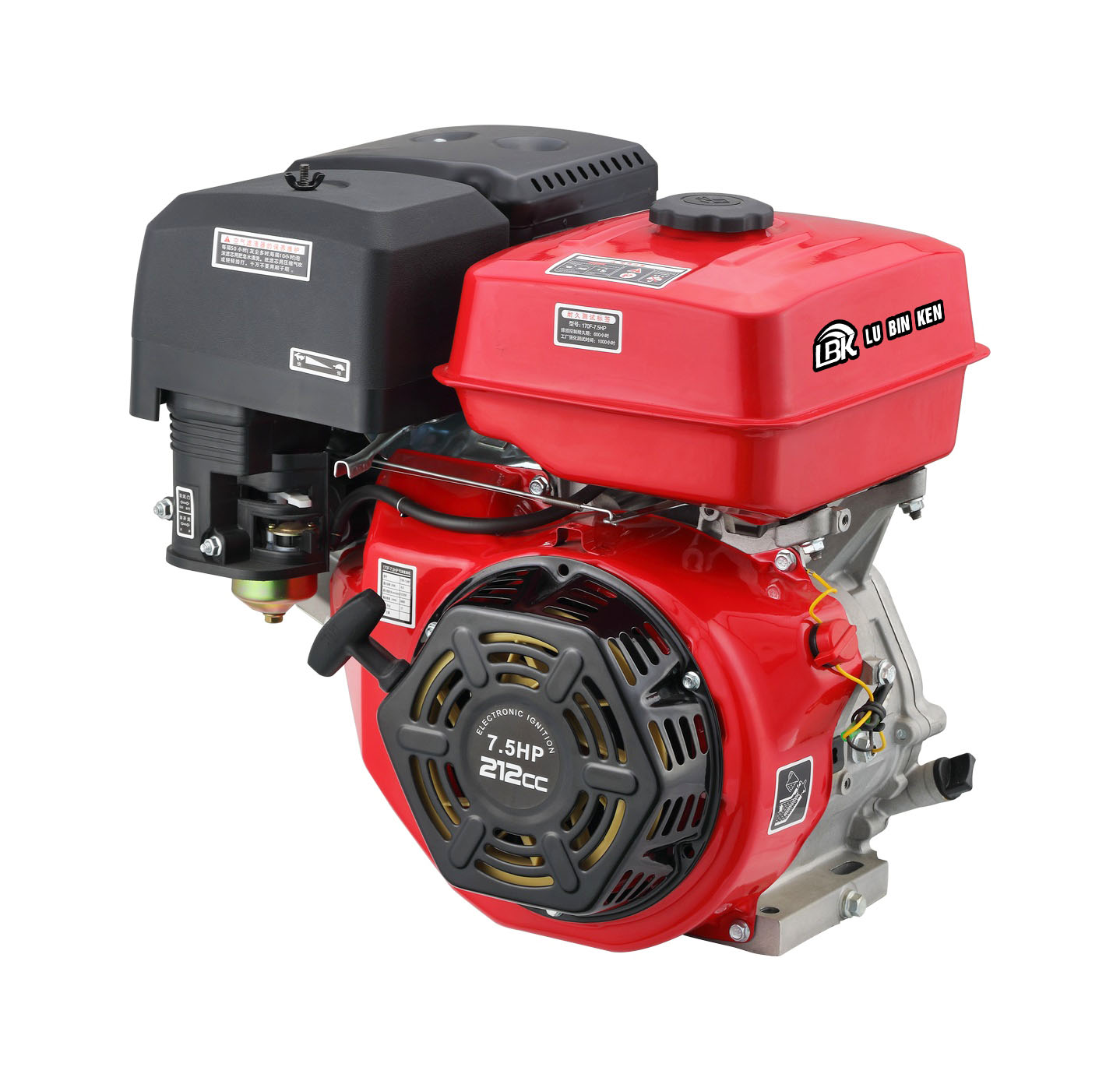
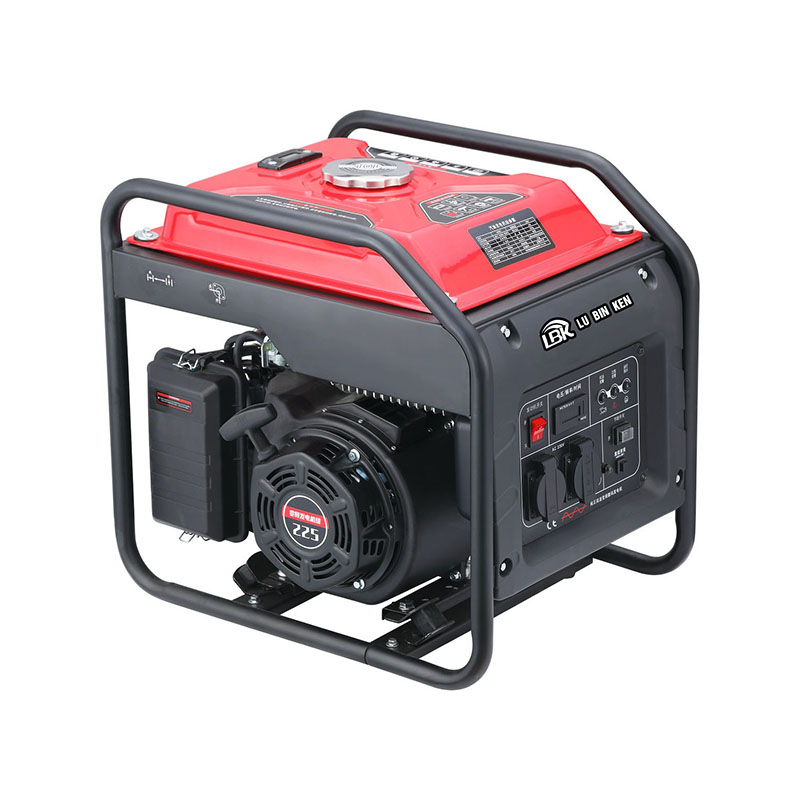
The engine is the heart of both functions. A gasoline engine rated between 10 and 25 horsepower drives a shaft that spins both a welding alternator and an AC generator. A gasoline-powered generator-welder combo packages these in one frame with a shared fuel tank, control panel, and cooling system. The operator does not tow two machines or maintain two engines.
The welding output is DC, typically rated from 150 to 250 amps. Stick welding is the standard process. Some units add TIG capability with a lift-start function. A gasoline-powered generator-welder combo with DC output handles standard electrodes up to 5/32 or 3/16 inch, enough for structural steel, pipeline work, and heavy equipment repair.
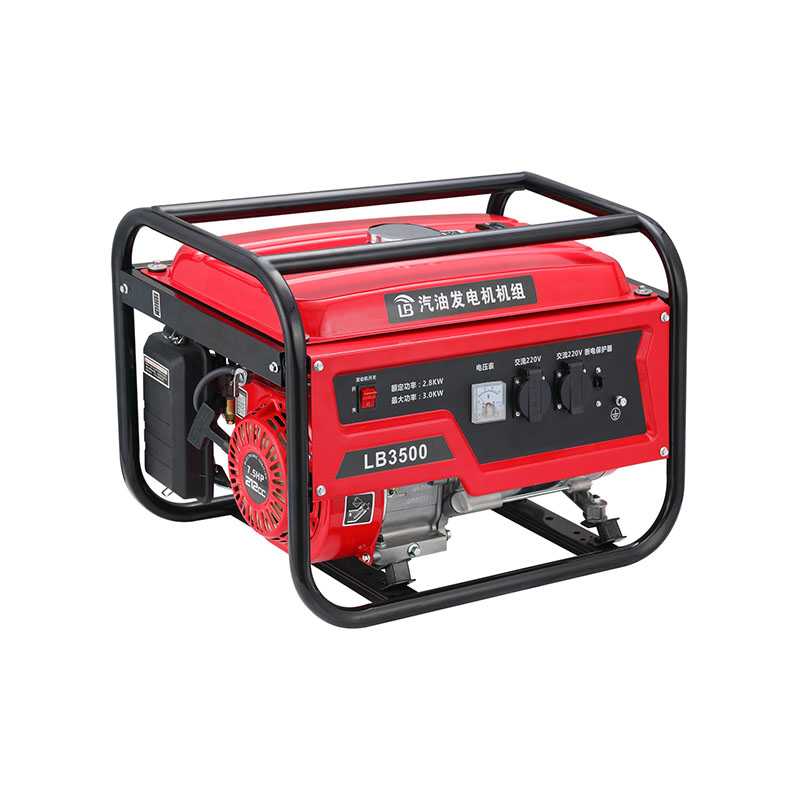
The generator output is AC, typically 120/240 volts, with a rated wattage matched to the engine. A unit with 10,000 peak watts runs a grinder, a drill, a chop saw, and job site lights simultaneously. The outlets on the control panel include standard household receptacles and a twist-lock for higher loads. A gasoline-powered generator-welder combo with clean power output, meaning total harmonic distortion under 6 percent, protects sensitive electronics like battery chargers and control boards.
A welder rated at 200 amps might only hold that output for a fraction of the time before heat forces a cooldown. Duty cycle is the percentage of a 10-minute period the machine can run at a given amperage without tripping thermal protection. A gasoline-powered generator-welder combo with a 60 percent duty cycle at 200 amps welds for six minutes and idles for four. At 150 amps, the duty cycle might climb to 100 percent.
The operator who ignores duty cycle burns up the welding alternator. The windings overheat. The insulation breaks down. A gasoline-powered generator-welder combo with a thermal overload sensor shuts down before damage occurs, but the real protection is matching the machine to the job. Continuous welding at high amperage needs a bigger machine or a lower setting.
The machine runs on gasoline. The tank holds 5 to 10 gallons, enough for 8 to 12 hours of intermittent welding and power generation. A gasoline-powered generator-welder combo with a fuel-efficient engine and an automatic idle control stretches runtime. The idle control drops engine speed when the arc stops and ramps up when the operator strikes again. Less fuel burned. Less noise.
Fuel quality matters more than most operators admit. Ethanol-blended gasoline left in the tank for months absorbs water and gums up the carburetor. A gasoline-powered generator-welder combo drained of fuel or treated with stabilizer between seasons starts when it is needed. A machine stored with old fuel does not.
The oil level is the other thing that gets ignored. A small engine running for hours under load burns oil. A gasoline-powered generator-welder combo with a low-oil shutdown sensor stops the engine before it seizes. The operator checks the dipstick every morning.
The frame takes the vibration of the engine, the weight of the fuel and components, and the abuse of being lifted into a truck bed or towed across rough ground. A gasoline-powered generator-welder combo built on a welded steel tube frame with a powder-coated finish survives job site handling. Lifting eyes or a forklift pocket make moving the machine from the ground to the truck a one-person or one-machine job.
Wheels and a handle convert the unit from a stationary skid to a roll-away machine. A gasoline-powered generator-welder combo with large-diameter pneumatic tires rolls over gravel, mud, and job site debris. Small hard-plastic casters sink into soft ground and jam on rocks.
Here is what a combo machine needs to deliver on site:
An undersized machine runs at full output constantly. The engine screams. The duty cycle trips. The operator waits. A gasoline-powered generator-welder combo sized with a margin above the expected welding amperage runs cooler, lasts longer, and gets the job done faster.
The generator output sags when a heavy tool starts. A grinder or a chop saw pulls startup current several times its running load. A gasoline-powered generator-welder combo with surge capacity rated for motor starting handles the inrush. Without it, the voltage drops and the tool stalls.
A gasoline-powered generator-welder combo is two machines sharing one engine and one frame. It shows up where the power grid does not reach and welds what needs welding. Choose a machine with enough amperage for the electrodes, enough wattage for the tools, and an engine that sips fuel through a long shift. The welds will hold and the lights will stay on. That is what the combo is for.



 No. 532 Xin Street, Xinqiao Town, Luqiao District, Taizhou City, Zhejiang Province
 [email protected]
 +86-13656559509
Copyright © Taizhou Lubin Electromechanical Co., Ltd. All Rights Reserved.



 EN
EN English
 русский
 عربى
عربى