
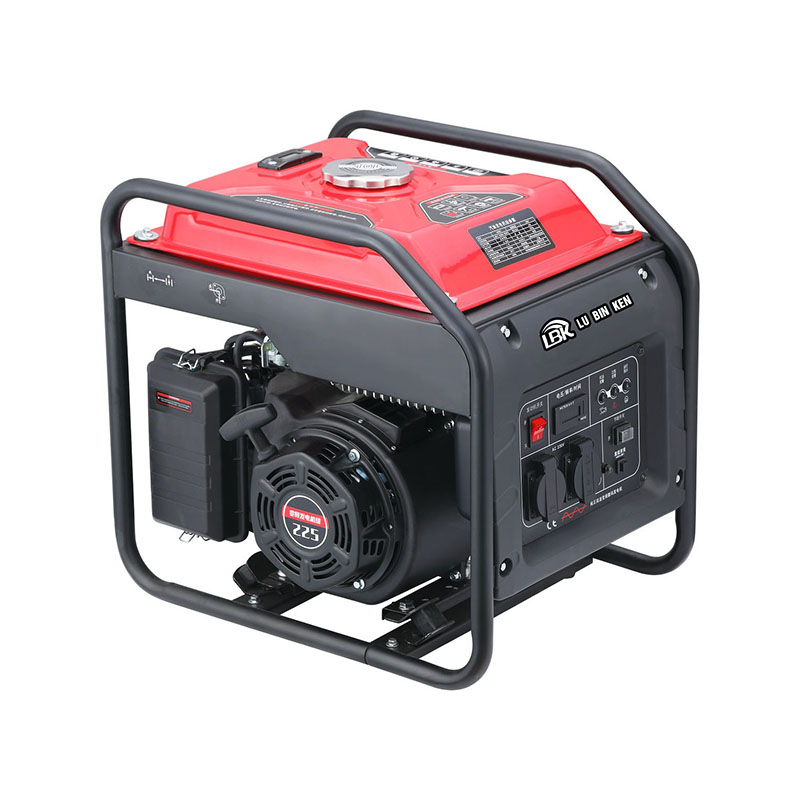
A pure copper-wound inverter generator is bought for one reason: copper windings promise better conductivity and longer life than aluminum alternatives. The generator arrives with clean output and efficient operation. After extended use at high load, the same generator shuts down from thermal overload. The copper windings still look bright. The inverter board still functions. But the insulation around the copper has broken down from heat. The pure copper-wound inverter generator that cannot shed heat from its windings fails electrically while the copper conductor itself remains perfectly conductive. The insulation fails before the copper oxidizes.
The copper wire carries current. The insulation surrounds the wire and prevents short circuits. A pure copper-wound inverter generator with insulation rated for 130°C operates safely at moderate loads. At full load, the winding temperature rises. If the temperature exceeds the insulation rating, the insulation degrades. The degradation is irreversible. The copper stays intact. The insulation cracks. The cracked insulation allows shorts between windings. The generator loses output or fails completely. Insulation class rating determines how much heat the material can withstand. Winding density determines whether heat gets trapped or dissipates. Cooling fan design determines how much airflow reaches the windings. A pure copper-wound inverter generator manufacturer that selects high-temperature insulation, spaces windings for airflow, and designs effective cooling ships generators that run at full load without failure. One that prioritises copper purity over thermal management ships generators that overheat and shut down.
The copper windings have resistance. The resistance creates heat when current flows. A pure copper-wound inverter generator with undersized windings for the rated output generates excessive heat at moderate loads. The heat builds. The insulation degrades. The generator derates itself. The operator assumes the copper is low quality. The copper quality is fine. The winding cross-section is too small. Manufacturers who calculate winding gauge for continuous duty rather than peak duty ship generators that survive sustained loads. Those who size windings for the surge rating alone ship generators that overheat under steady use.
The generator heats during use and cools during storage. The copper expands when hot and contracts when cold. The insulation expands and contracts at a different rate. A pure copper-wound inverter generator that cycles between hot and cold repeatedly develops micro-cracks in the insulation. The cracks grow. The windings short. The generator that ran perfectly for years fails suddenly. The copper did not fail. The insulation did. Thermal cycling damage accumulates invisibly until the insulation reaches its breaking point.
A pure copper-wound inverter generator user who watches for these three signs reduces load or improves cooling before the insulation fails. One who ignores them runs the generator until it shuts down from thermal overload.
Pure copper offers outstanding conductivity. The low resistance reduces heating compared to aluminum. But the insulation still bears the thermal load. A pure copper-wound inverter generator that runs at its rated output for hours generates heat that the insulation must survive. The copper handles the current. The insulation handles the heat. When the insulation fails, the generator fails. The copper remains intact and ready to carry current. The pure copper-wound inverter generator that fails from overheating did not fail from copper oxidation or copper fatigue. The copper conductor, which sold the generator, will outlast the insulation that protects it. The insulation breaks down first, and the generator goes quiet with superb copper inside.



 No. 532 Xin Street, Xinqiao Town, Luqiao District, Taizhou City, Zhejiang Province
 [email protected]
 +86-13656559509
Copyright © Taizhou Lubin Electromechanical Co., Ltd. All Rights Reserved.



 EN
EN English
 русский
 عربى
عربى